Concept2015
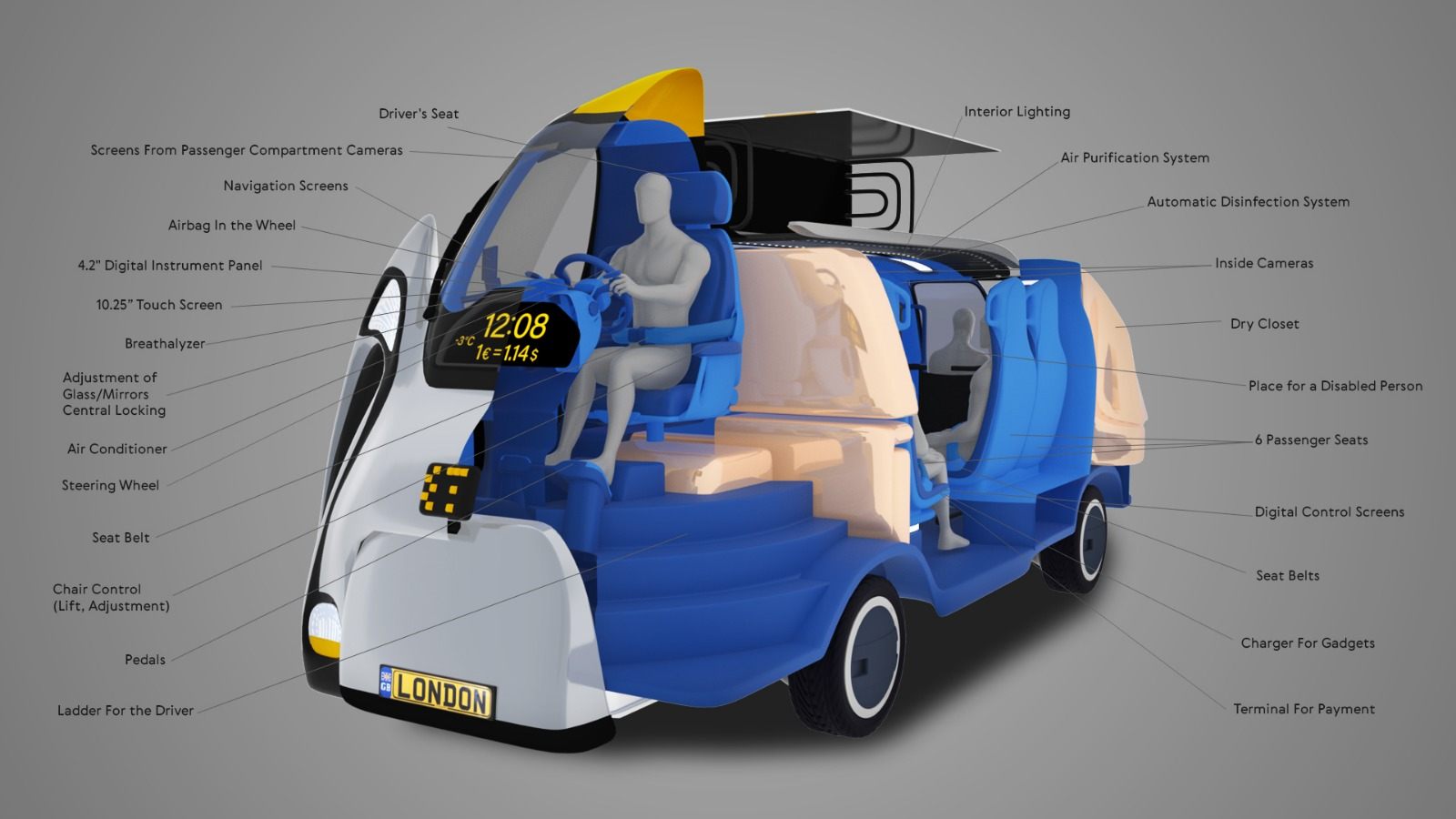
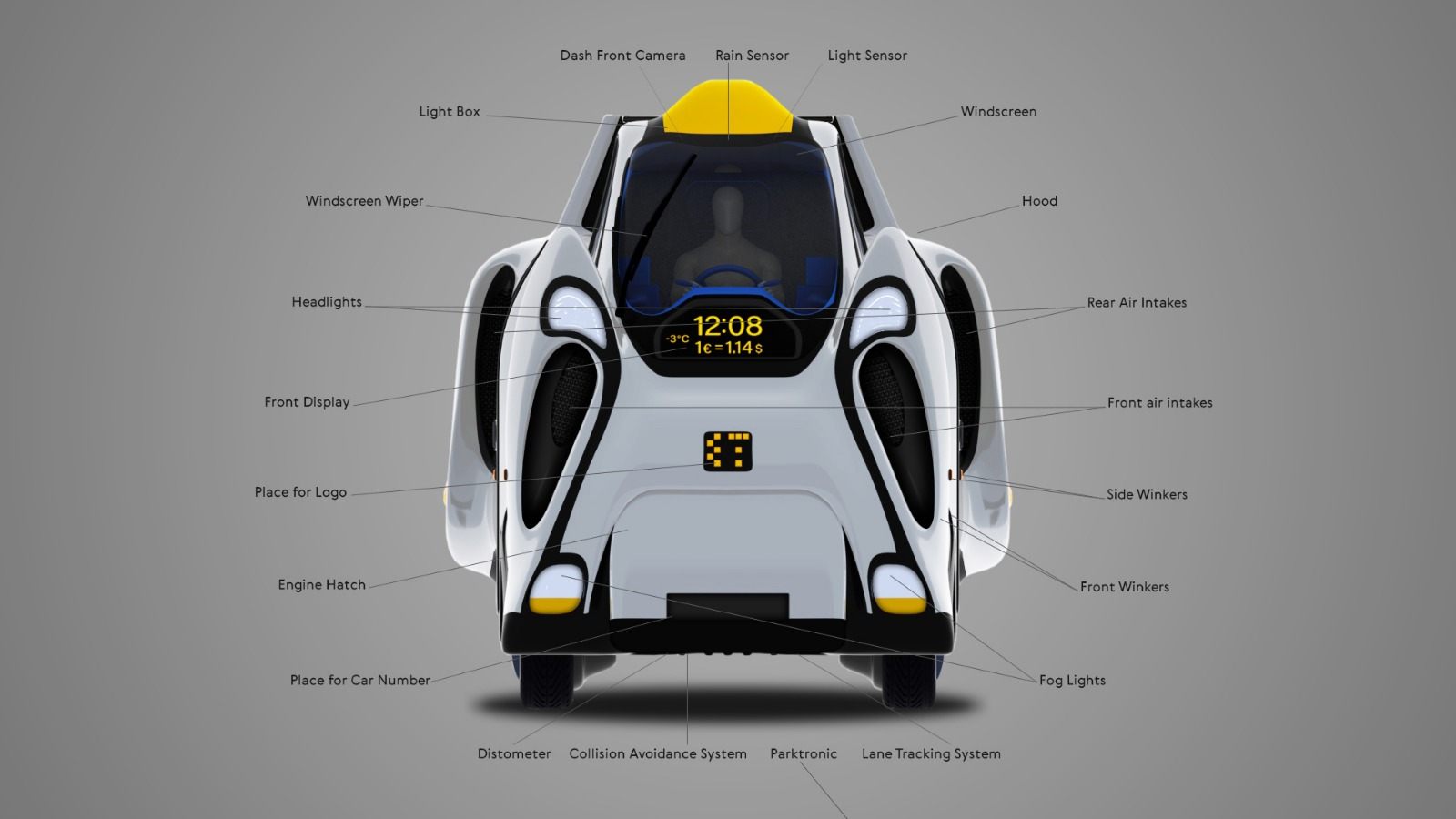
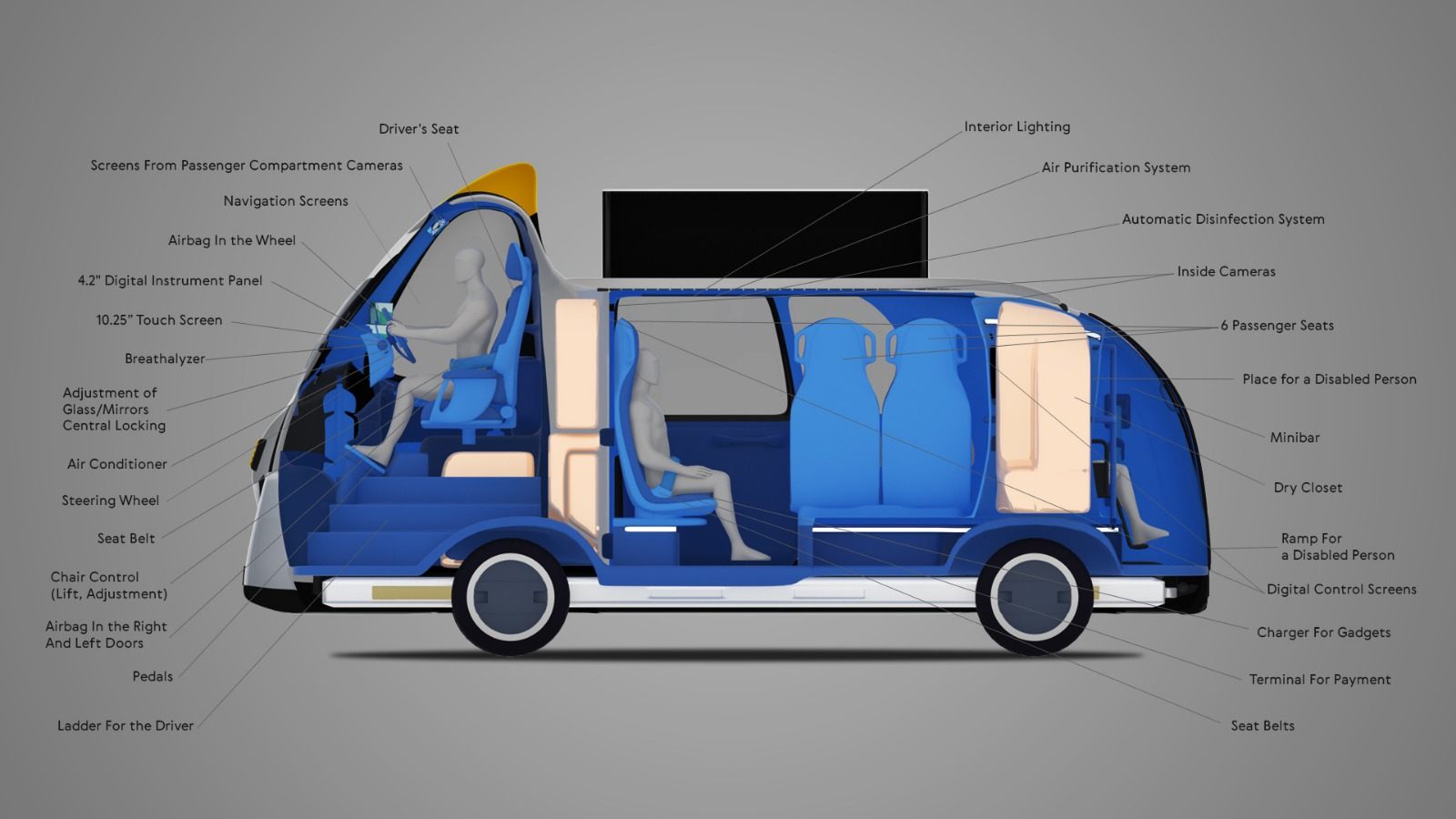
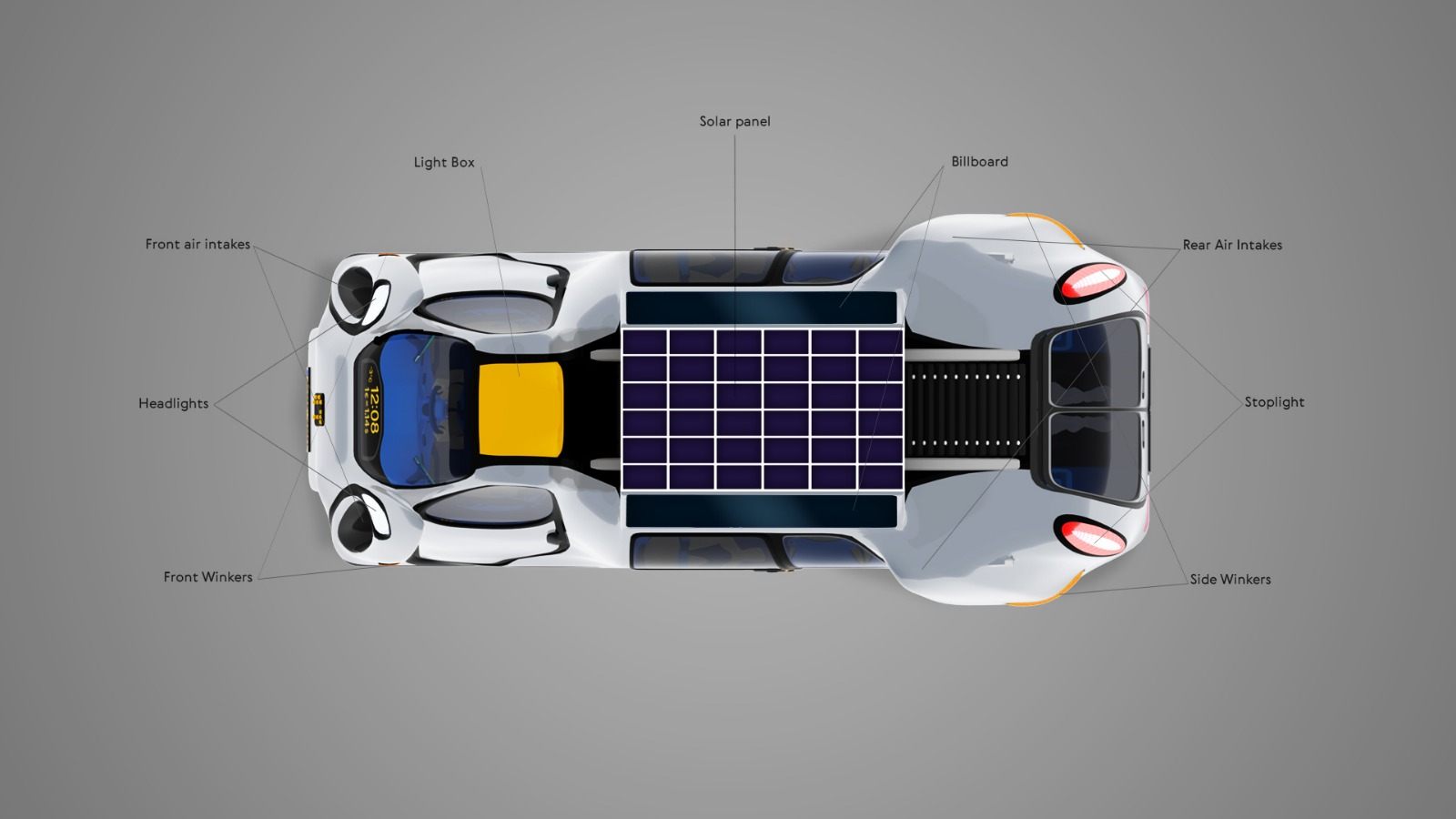
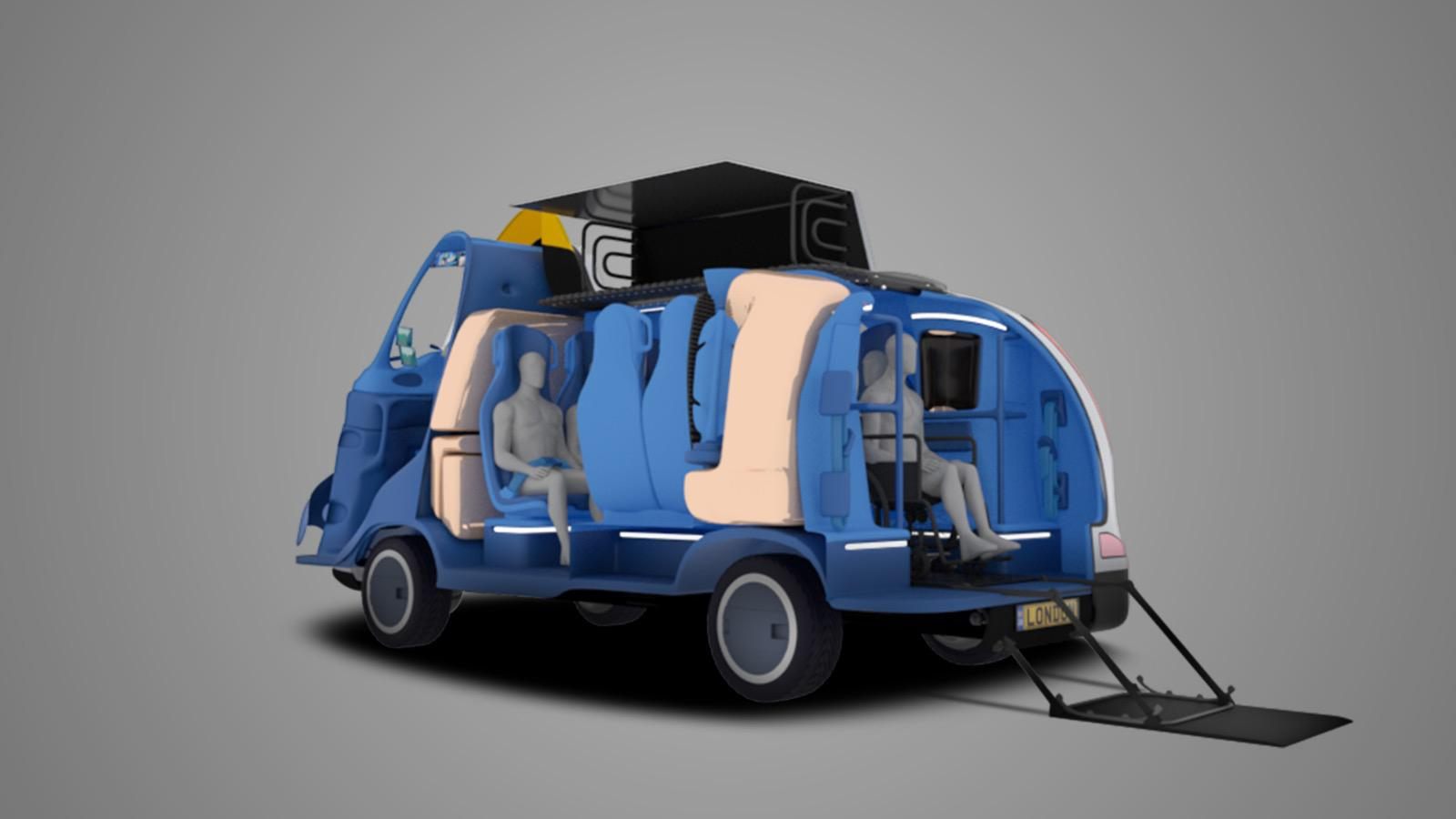
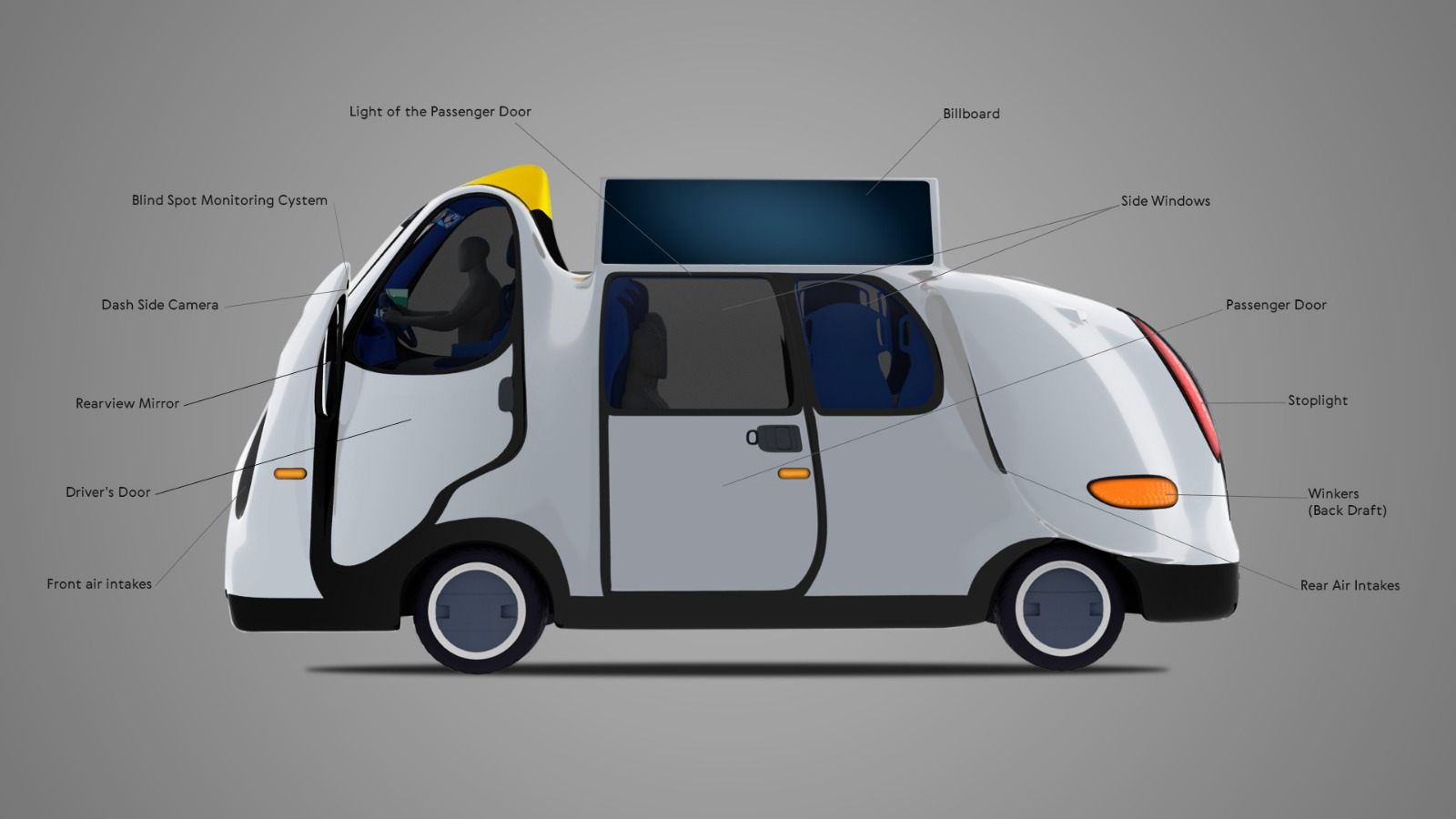
The original concept: a separate driver cabin, six passenger seats, a place for a wheelchair, cameras, a breathalyser, automatic disinfection and a roof billboard.

Every chapter of ETIOCA so far, told through the photographs and dates in our own archive.
From 2006 Mark Ishakov supplied double-sided LED advertising screens for taxi roofs to operators in many countries. Years of working alongside taxi fleets showed him the same problems everywhere: cars owned by drivers, apps owned by platforms, and safety left to chance.
In 2015 he began to develop a different model, in which one company builds the vehicle, runs the platform and operates the fleet. Over the following years he worked out the business model and the concept of the vehicle in full.
The original concept: a separate driver cabin, six passenger seats, a place for a wheelchair, cameras, a breathalyser, automatic disinfection and a roof billboard.
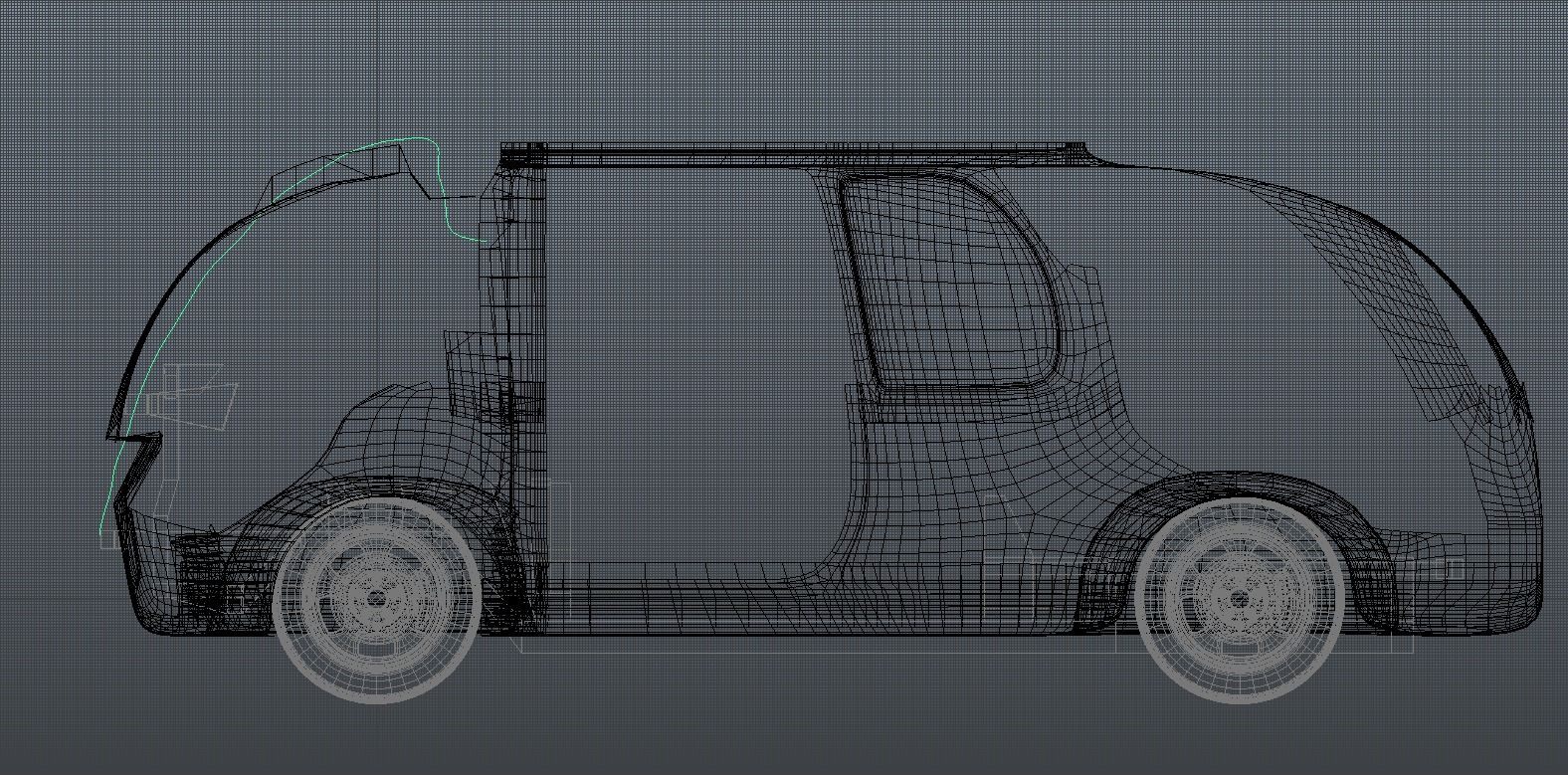
Once the business model and the vehicle concept were complete, Mark Ishakov registered ETIOCA Holding (Gibraltar) Limited in February 2021 to start building the prototype and turn the idea into reality. It remains the head of the group. Gibraltar has backed the project from the start; Minister the Hon. Sir Joe Bossano has spoken publicly in its support.
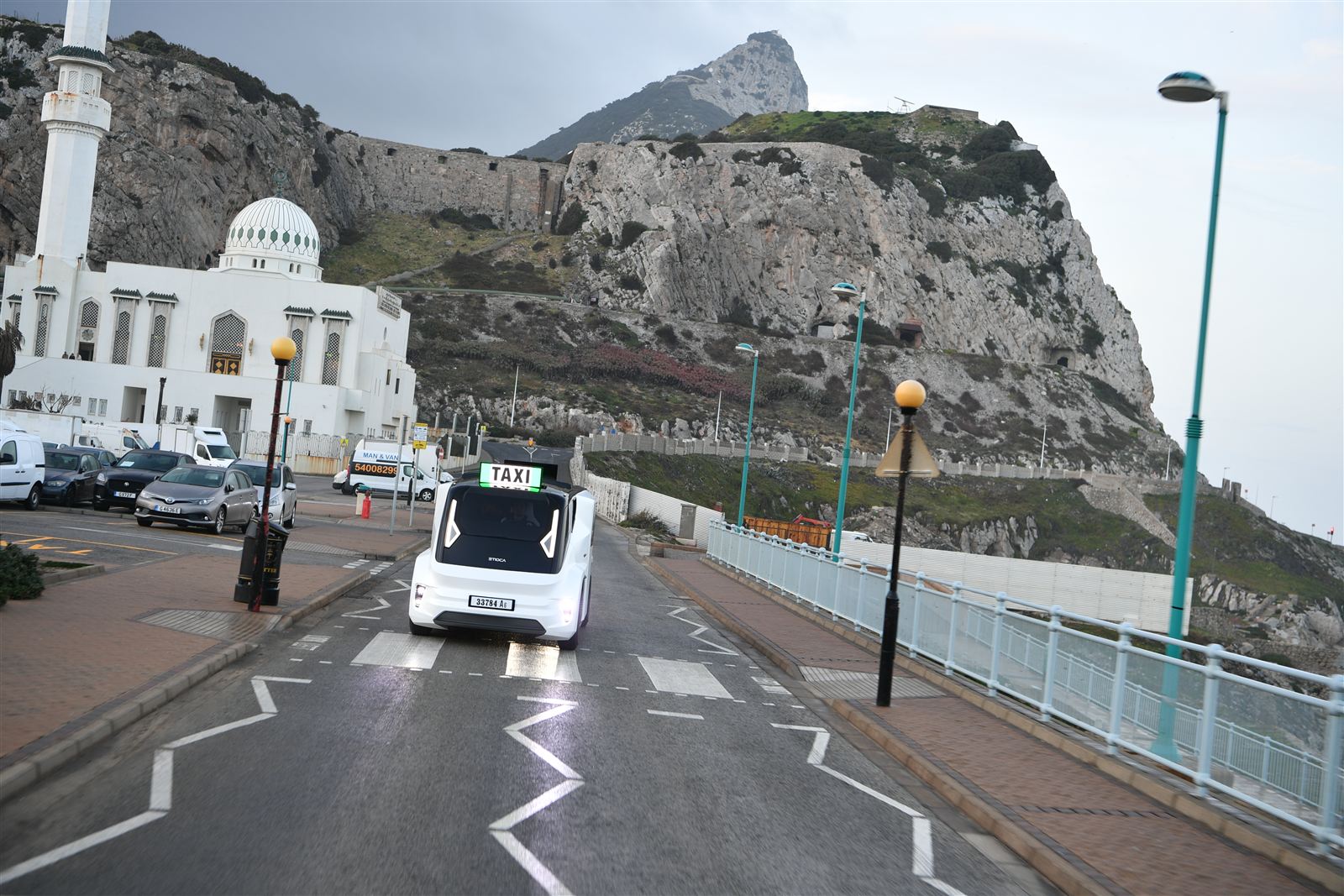
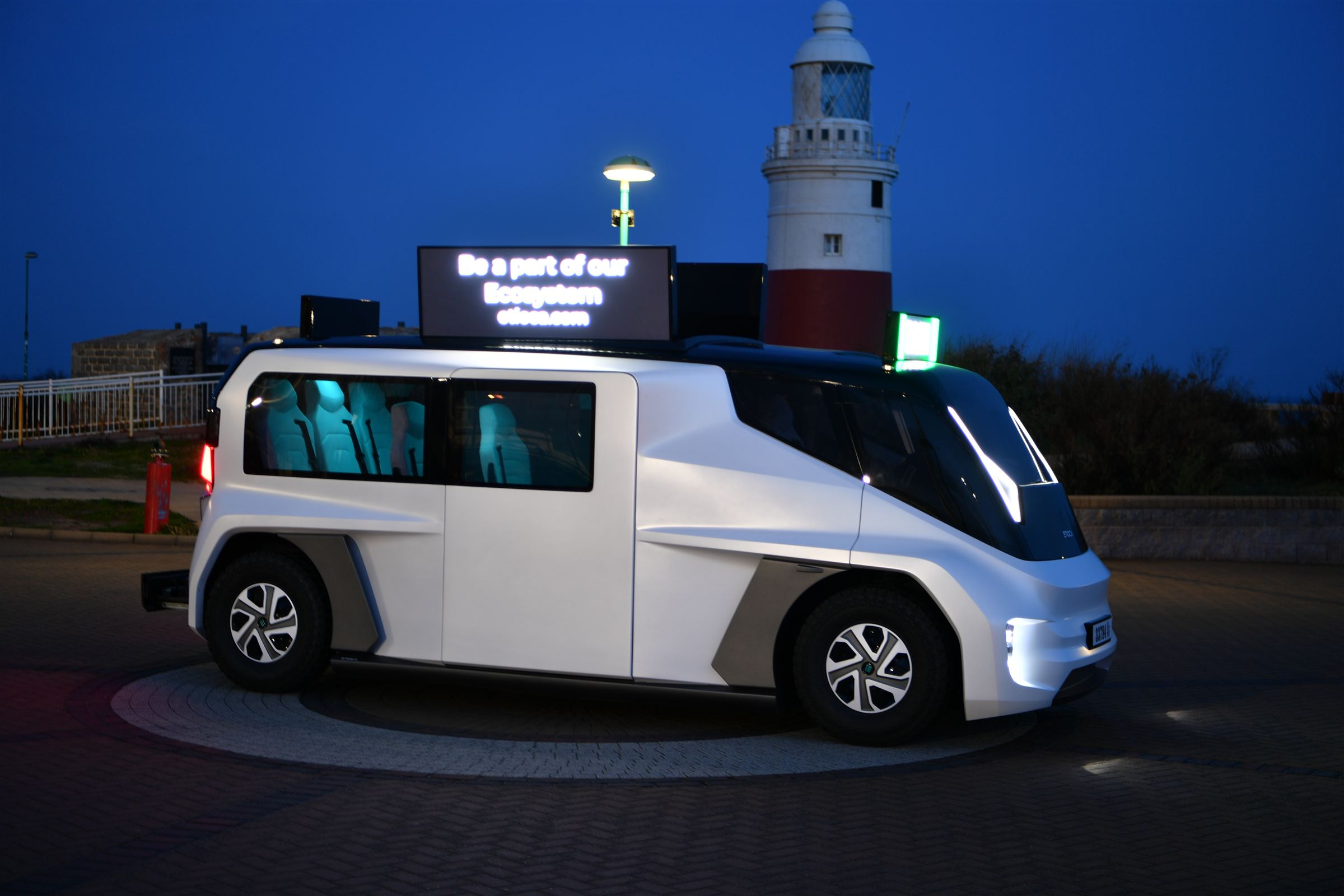
The prototype on the roads of Gibraltar, home of the group.
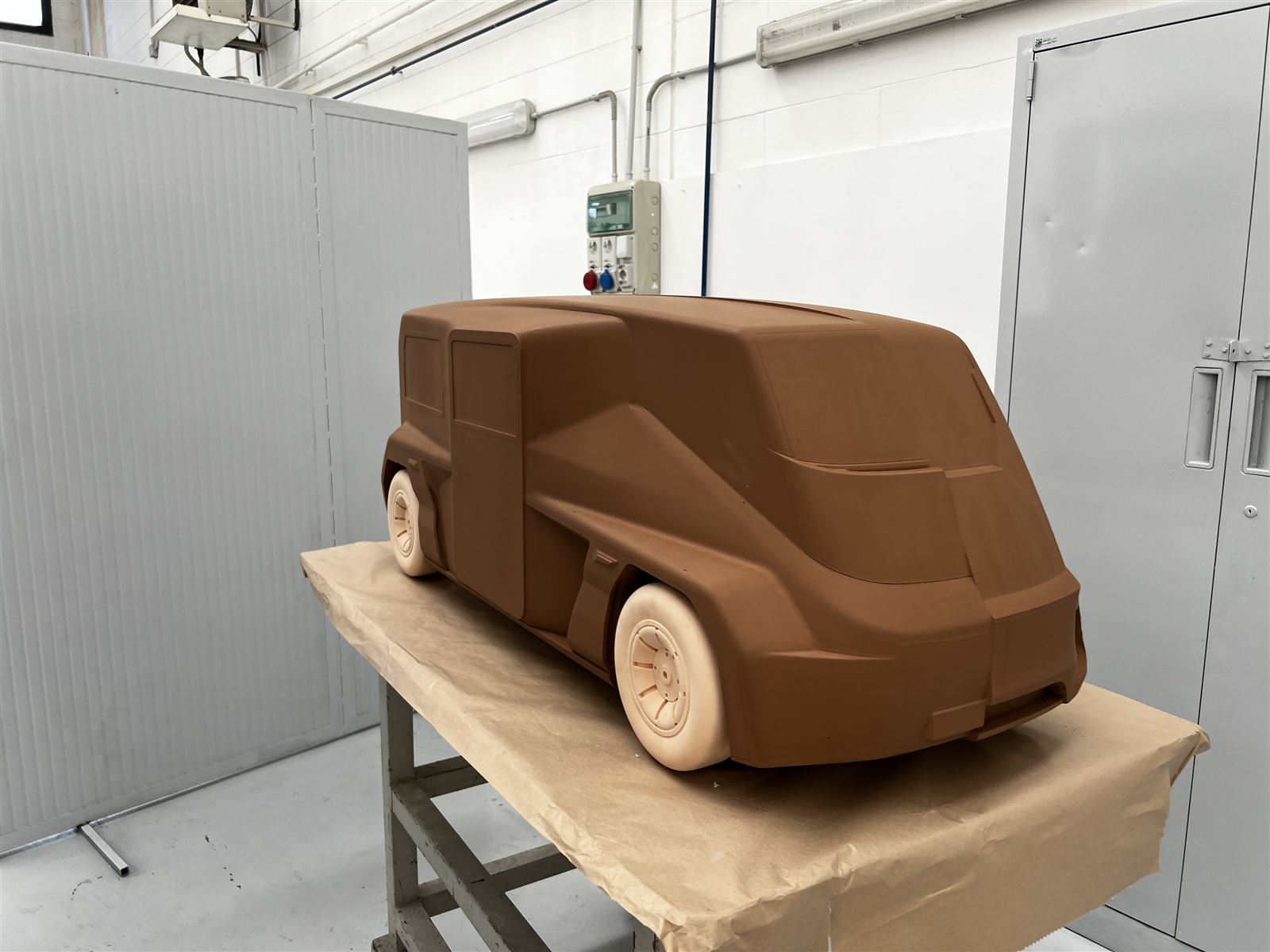
The vehicle was designed and built by hand in Turin, the home of Italian car design: from a clay scale model to a full-size body, wiring and a working cabin. On 17 June 2022 the first patent application for the ETIOCA transport and payment system was filed; it is now pending in the PCT, the United States and China.
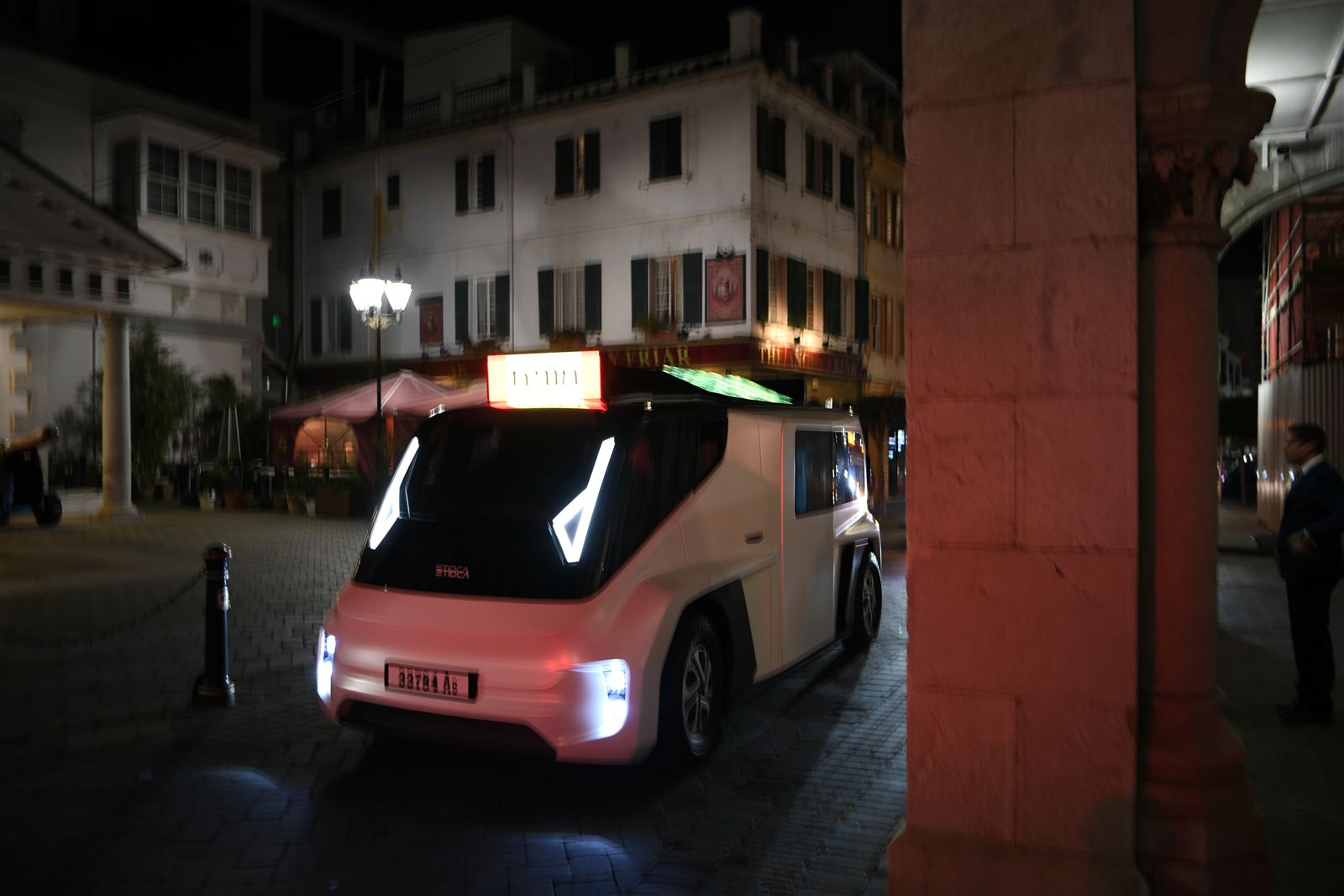
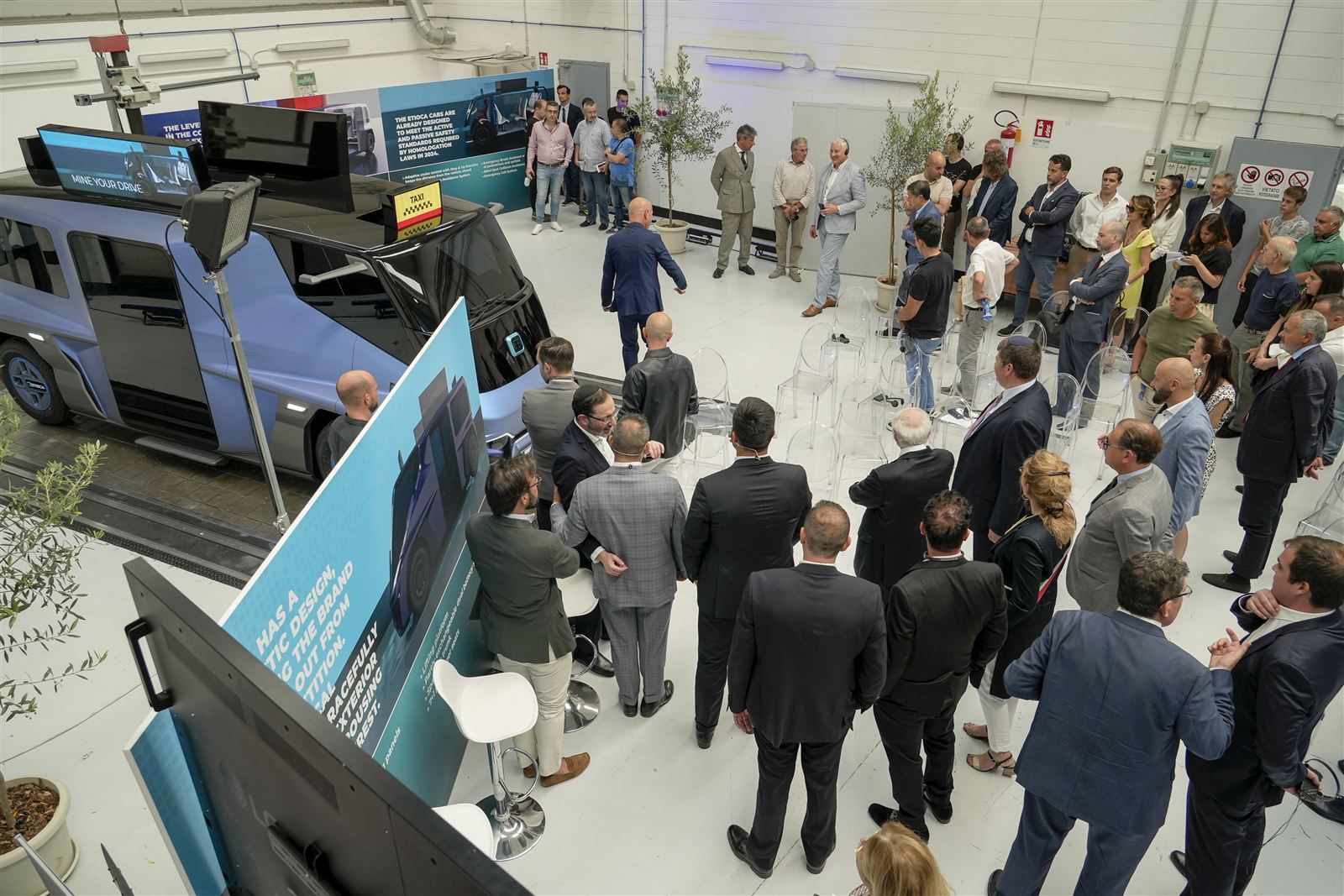
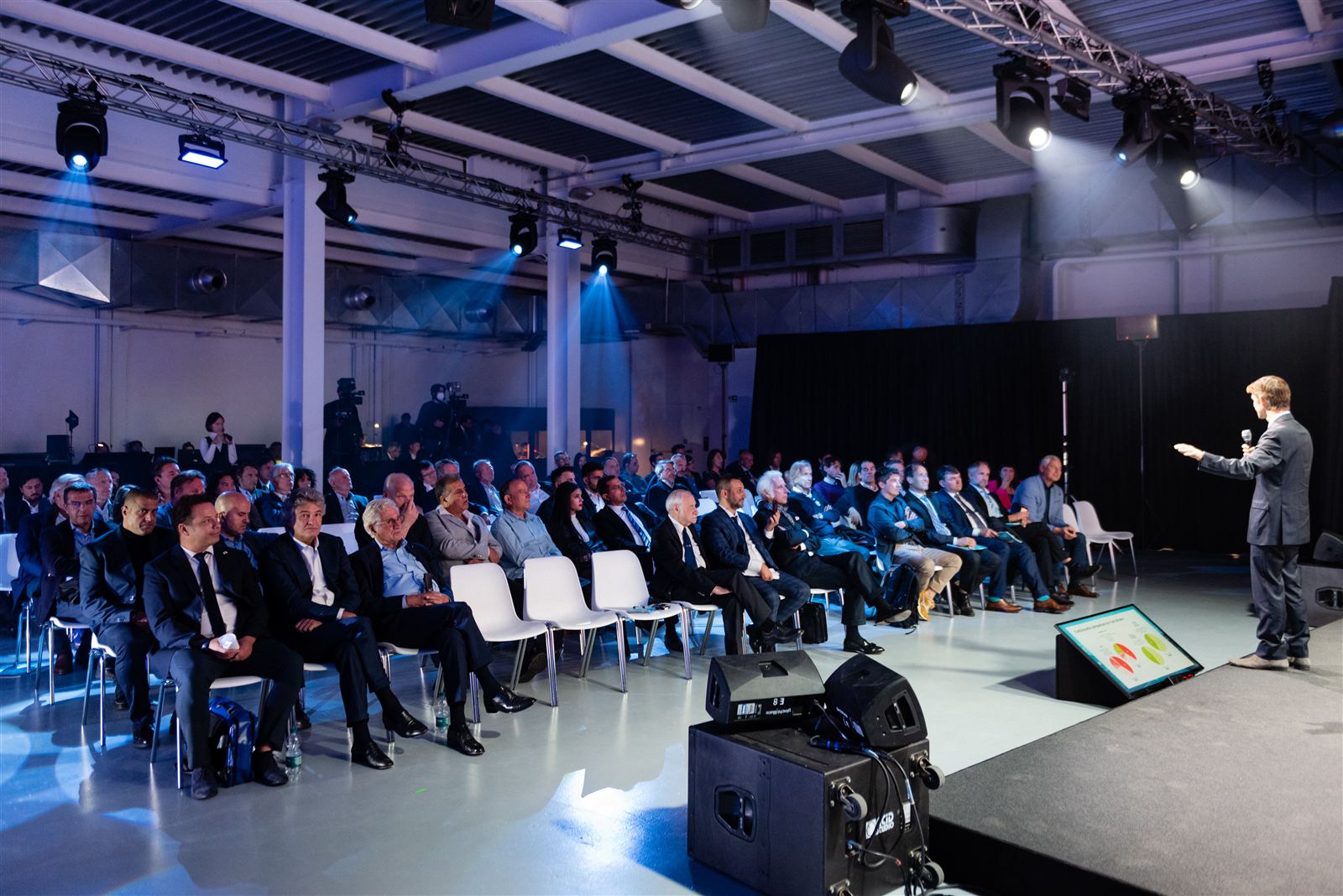
Three days later, on 20 June 2022, the first prototype was presented to partners and guests in Turin.
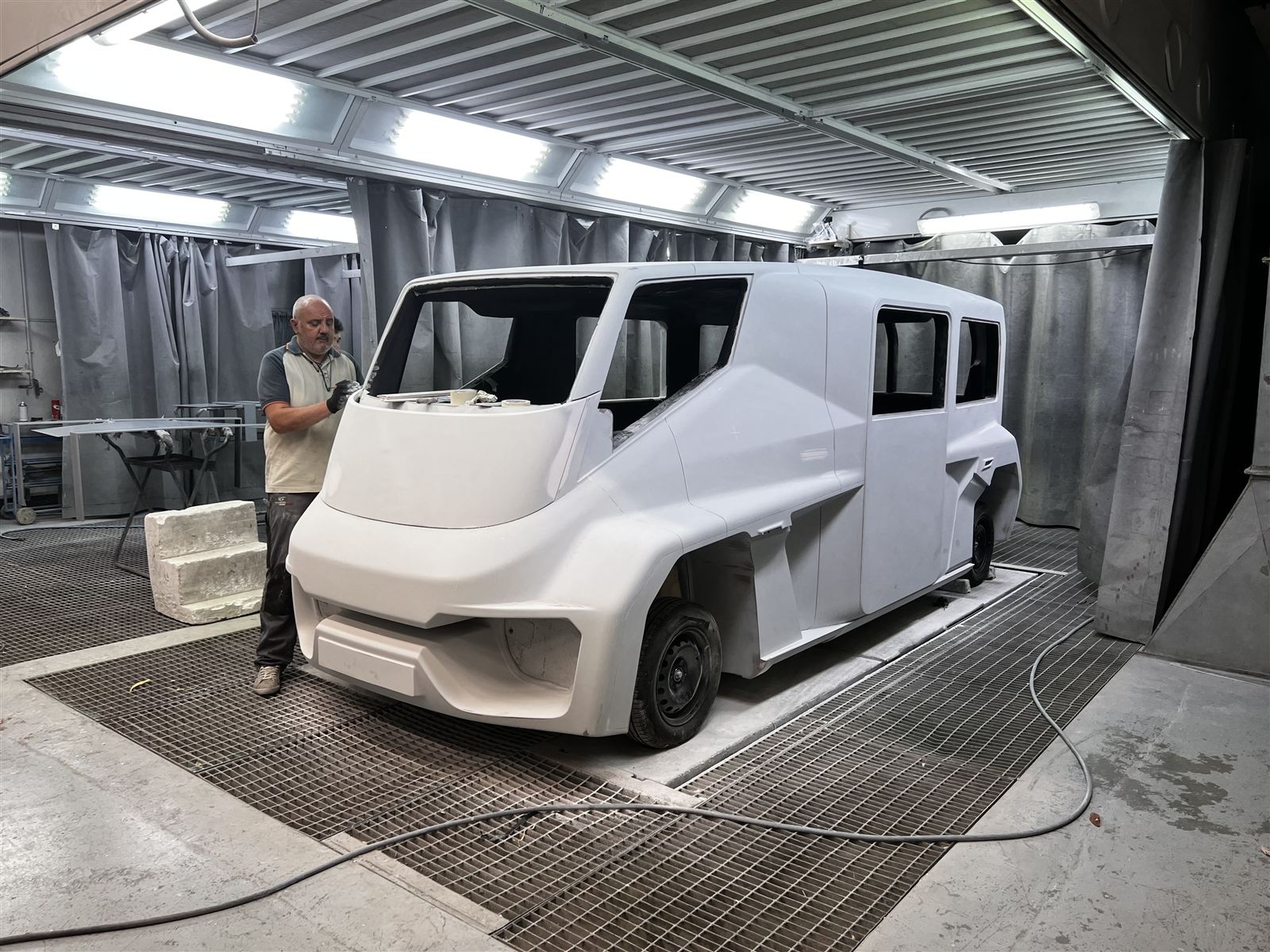
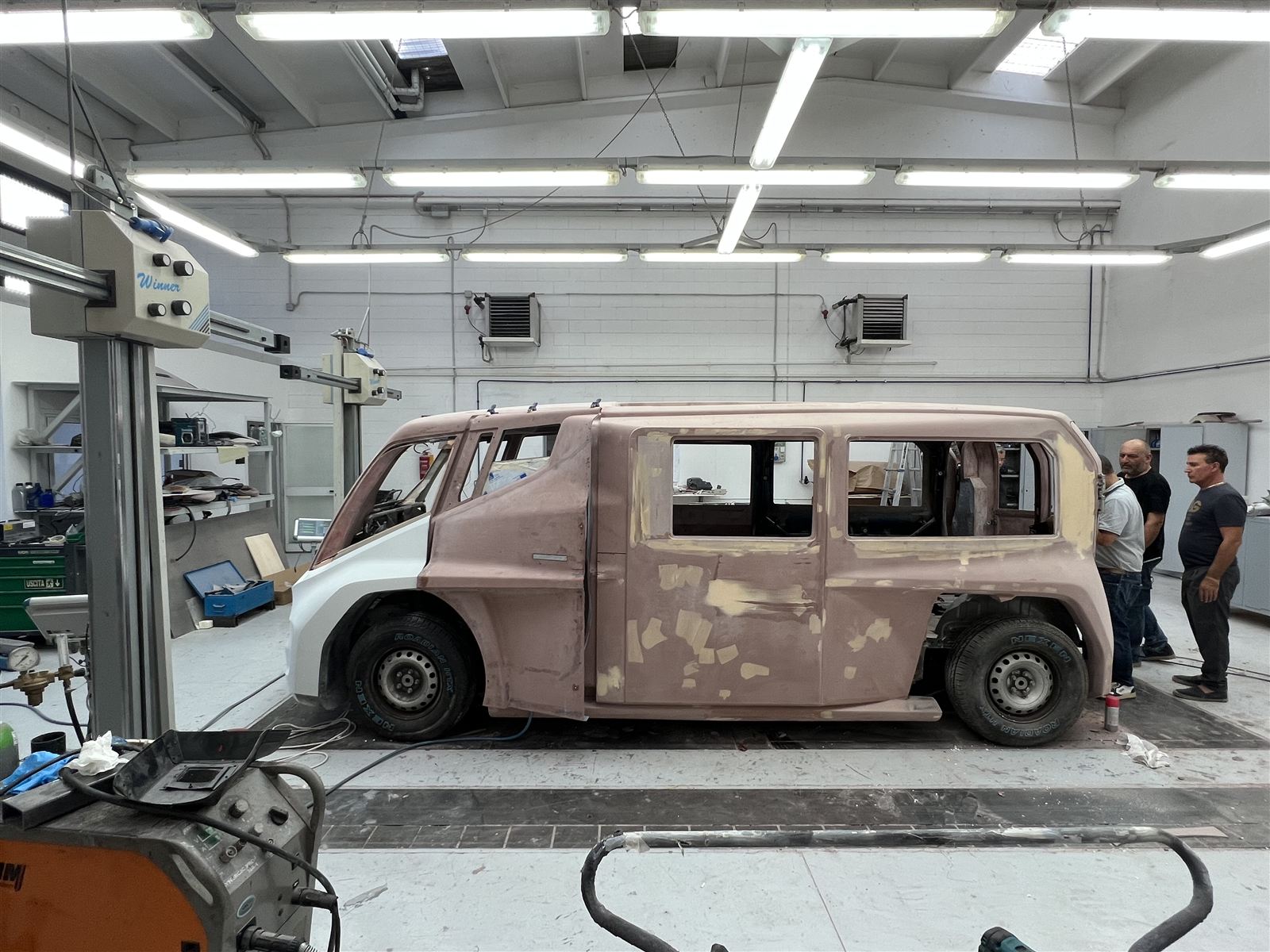
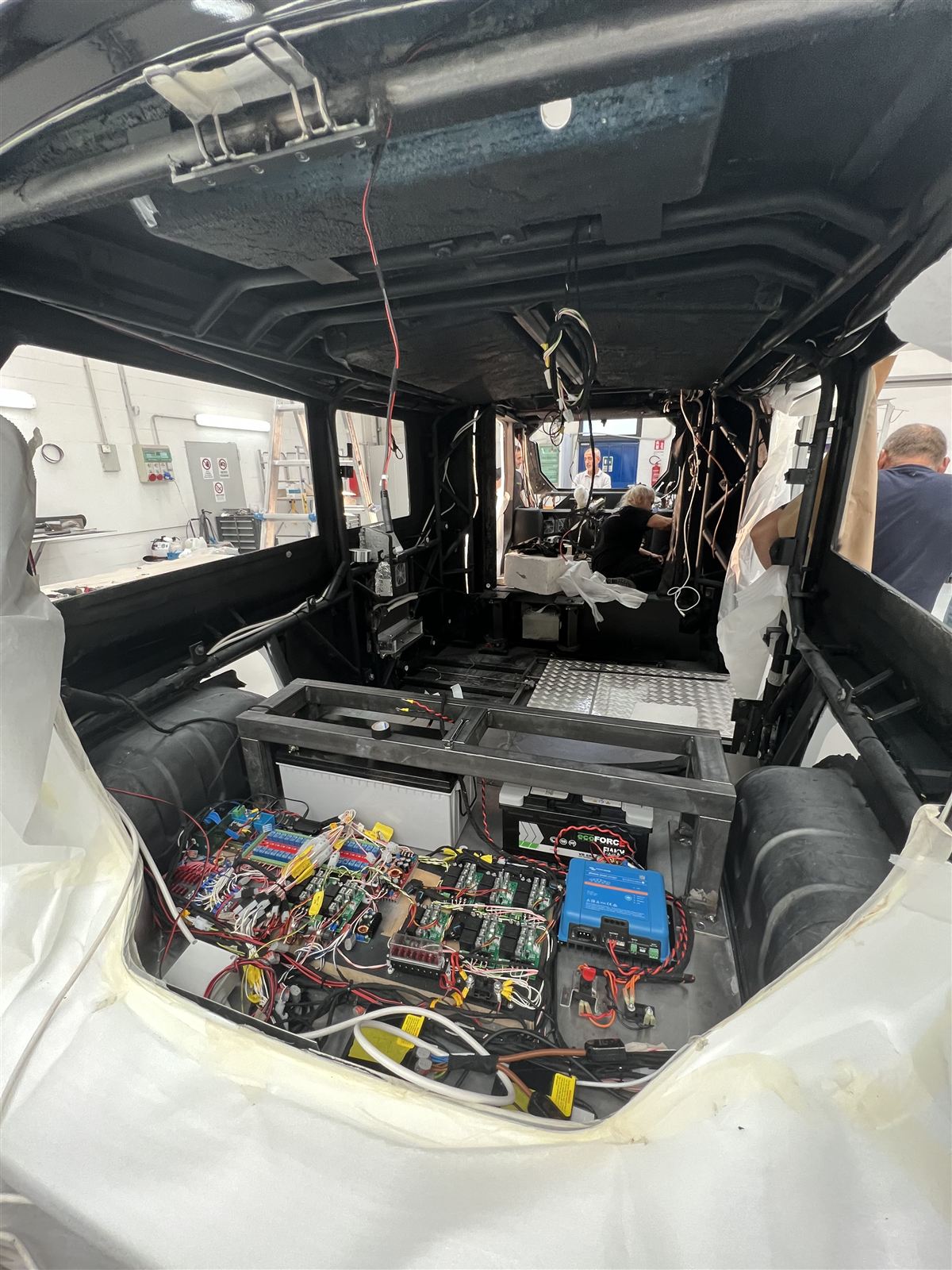
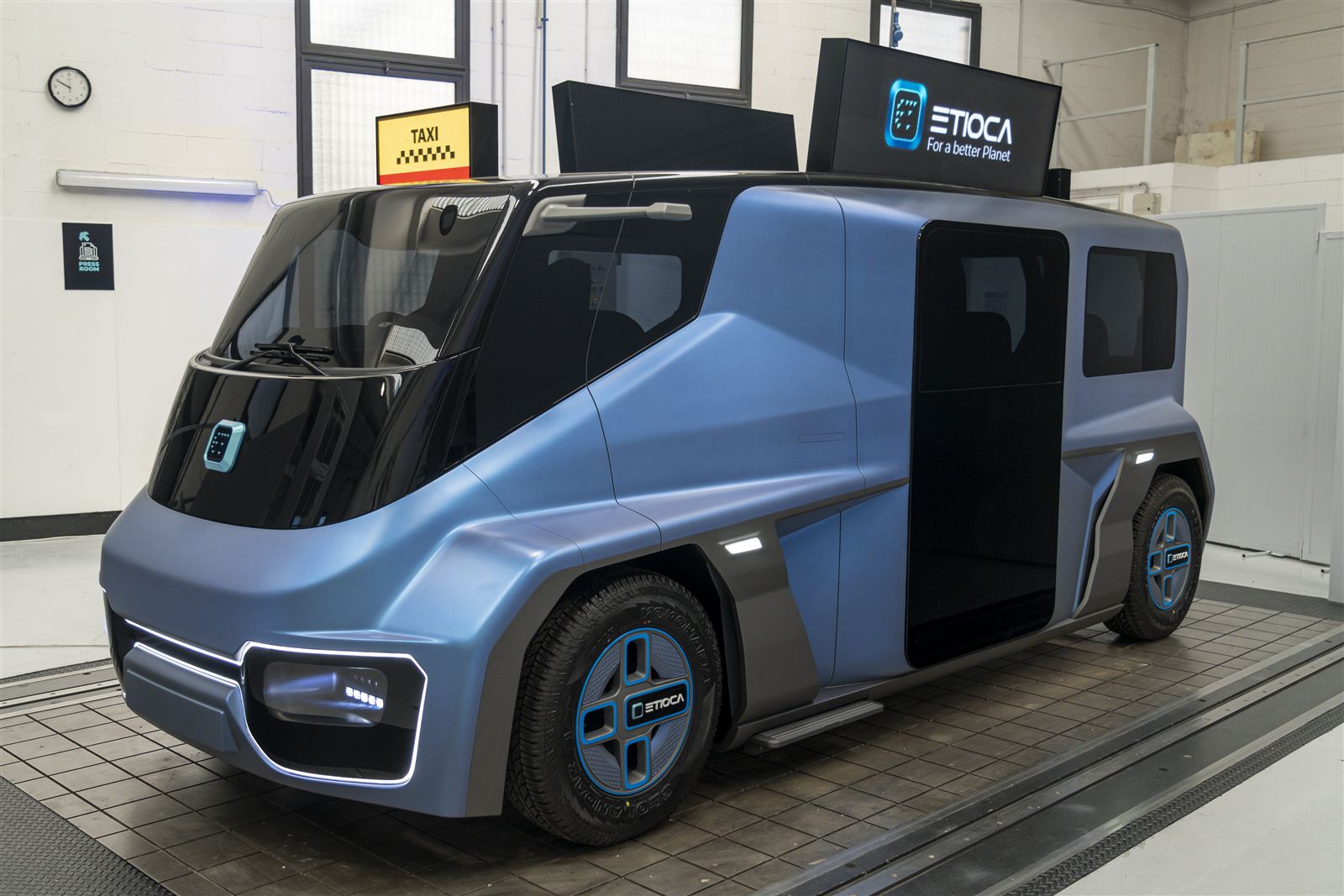
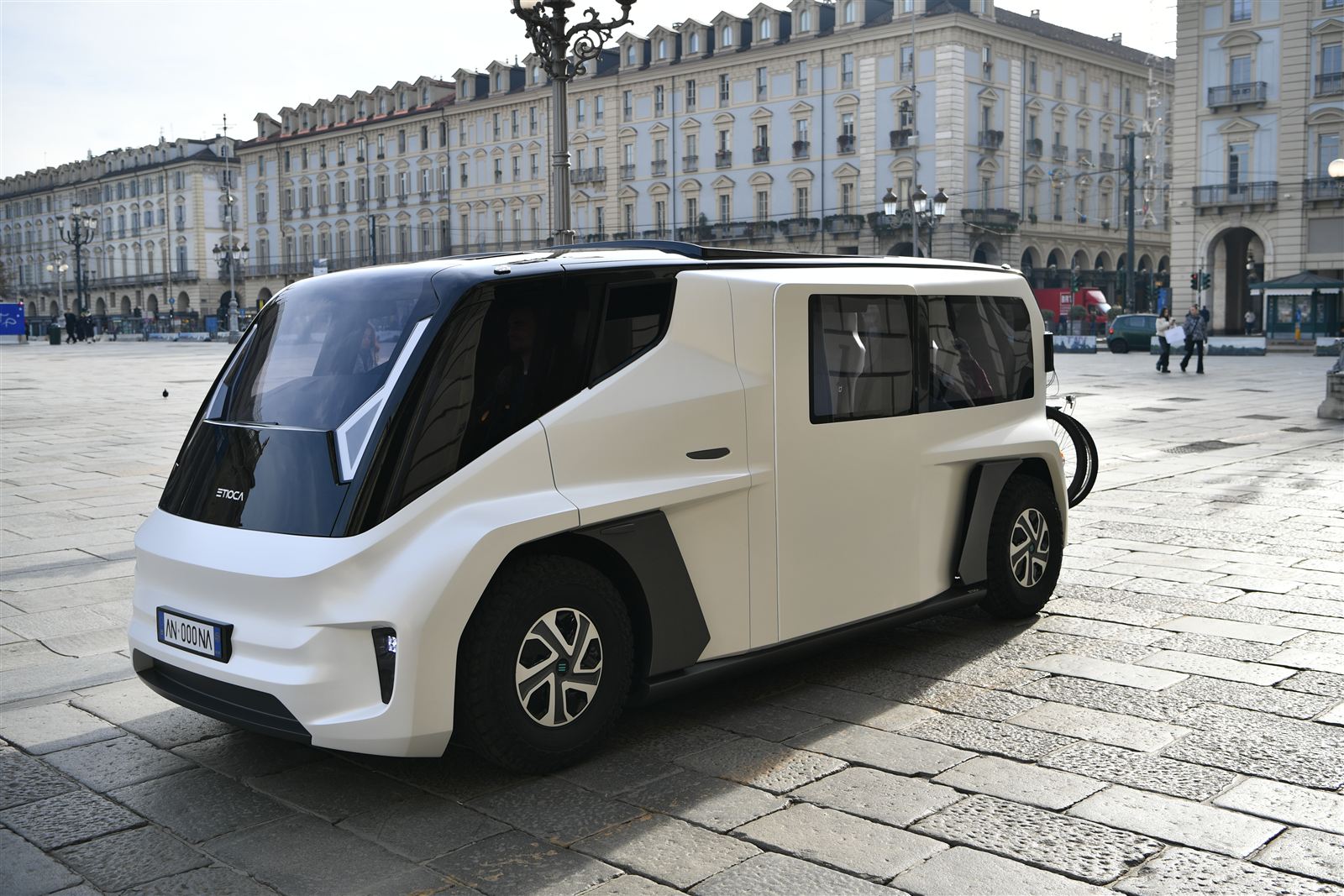
The first prototype at its presentation in Turin, 20 June 2022.
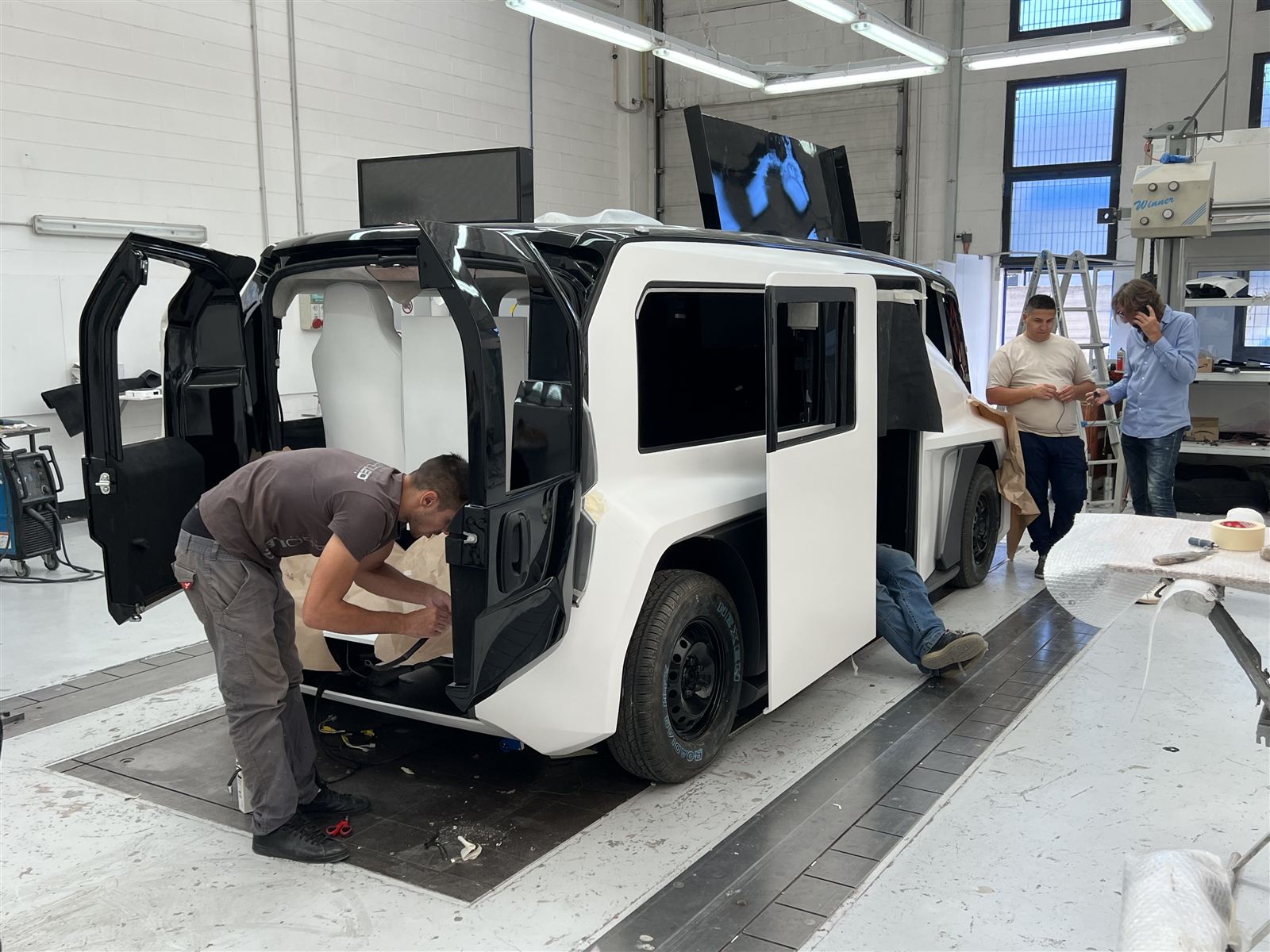
Final assembly of the functional prototype, summer 2022.
On 29 September 2022 the functional prototype was unveiled in Milan at a press conference for partners, guests and international media, and was covered by Reuters. A week earlier it was photographed for the press, showing its step-free ramp, separate driver cabin and passenger lounge.
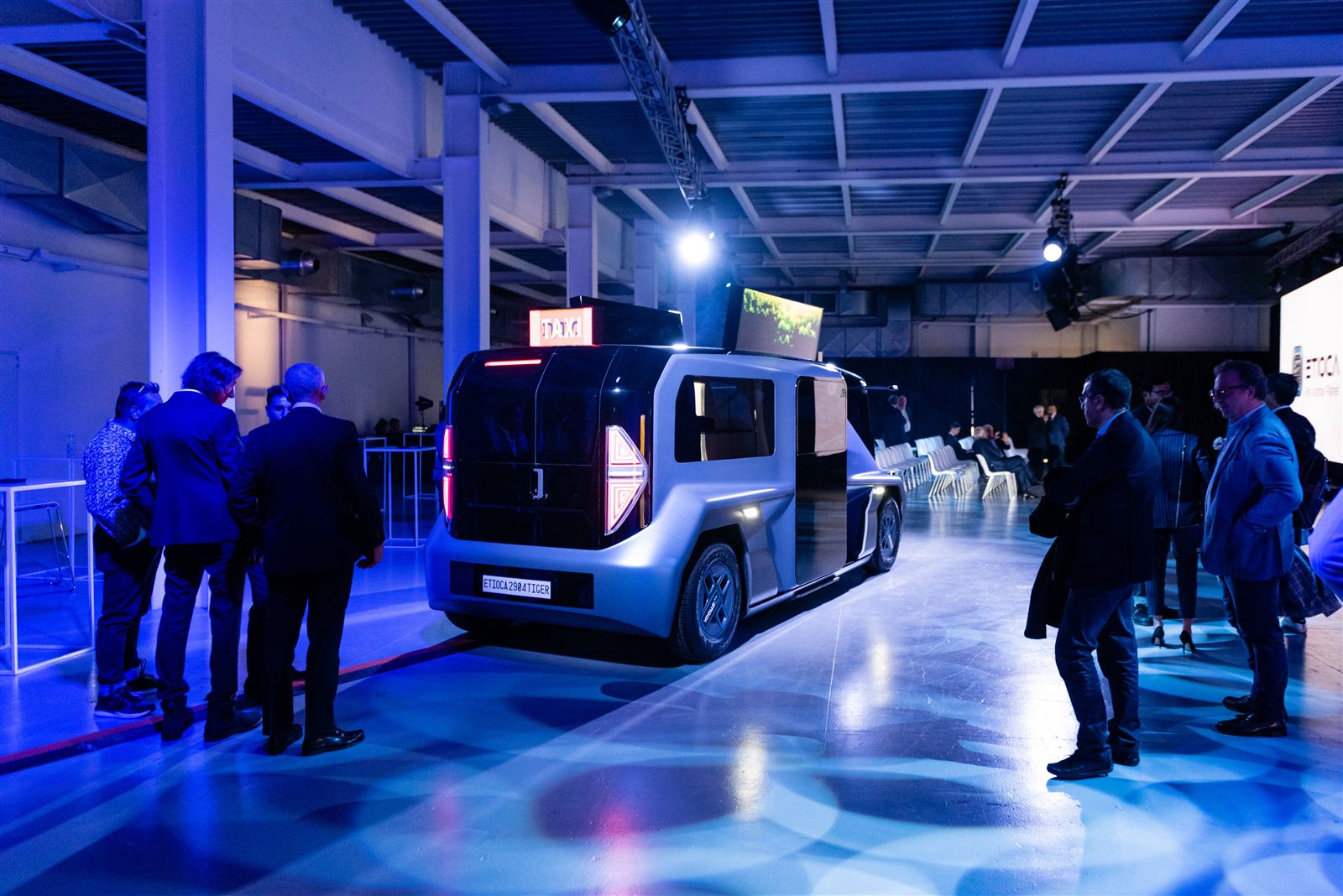
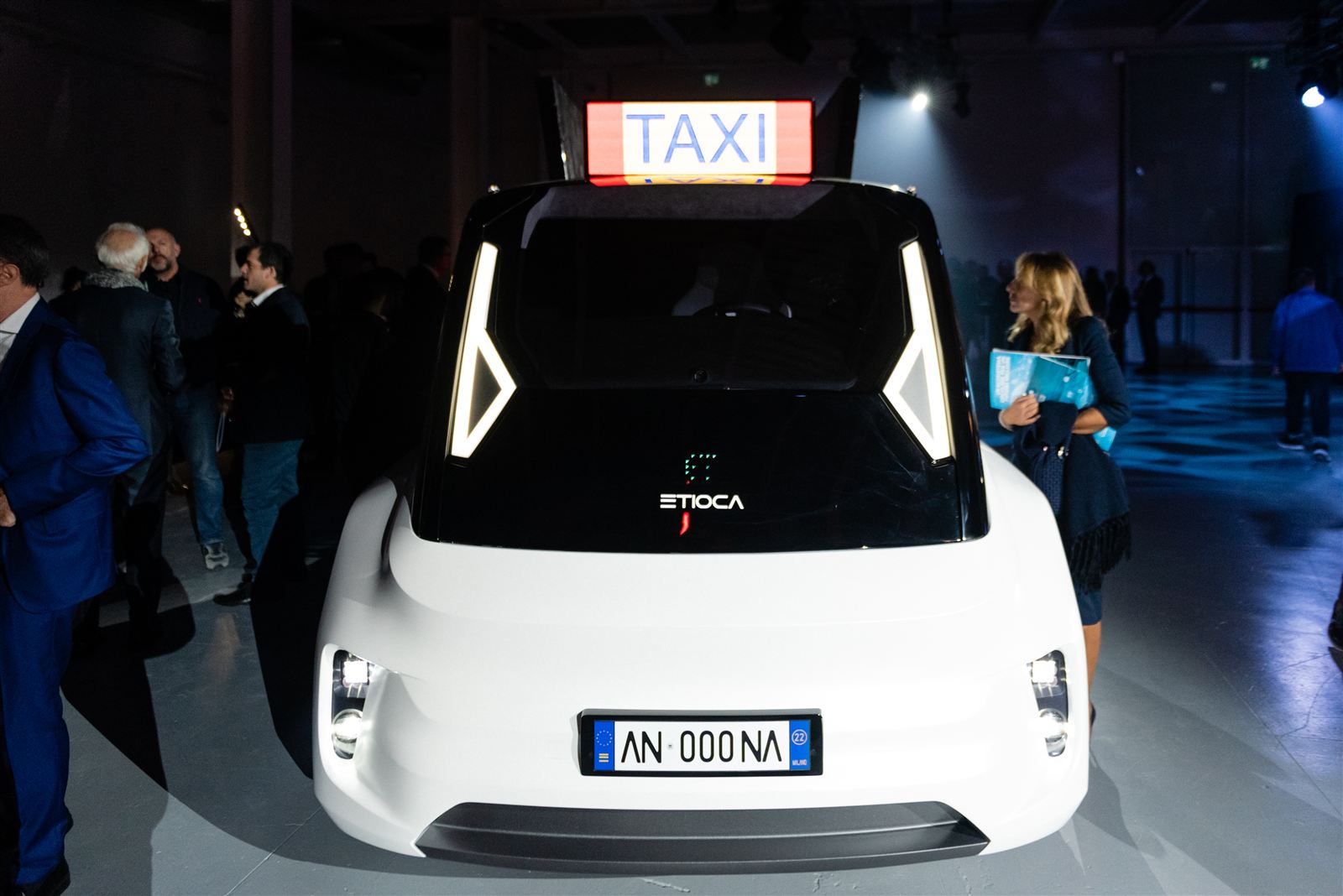
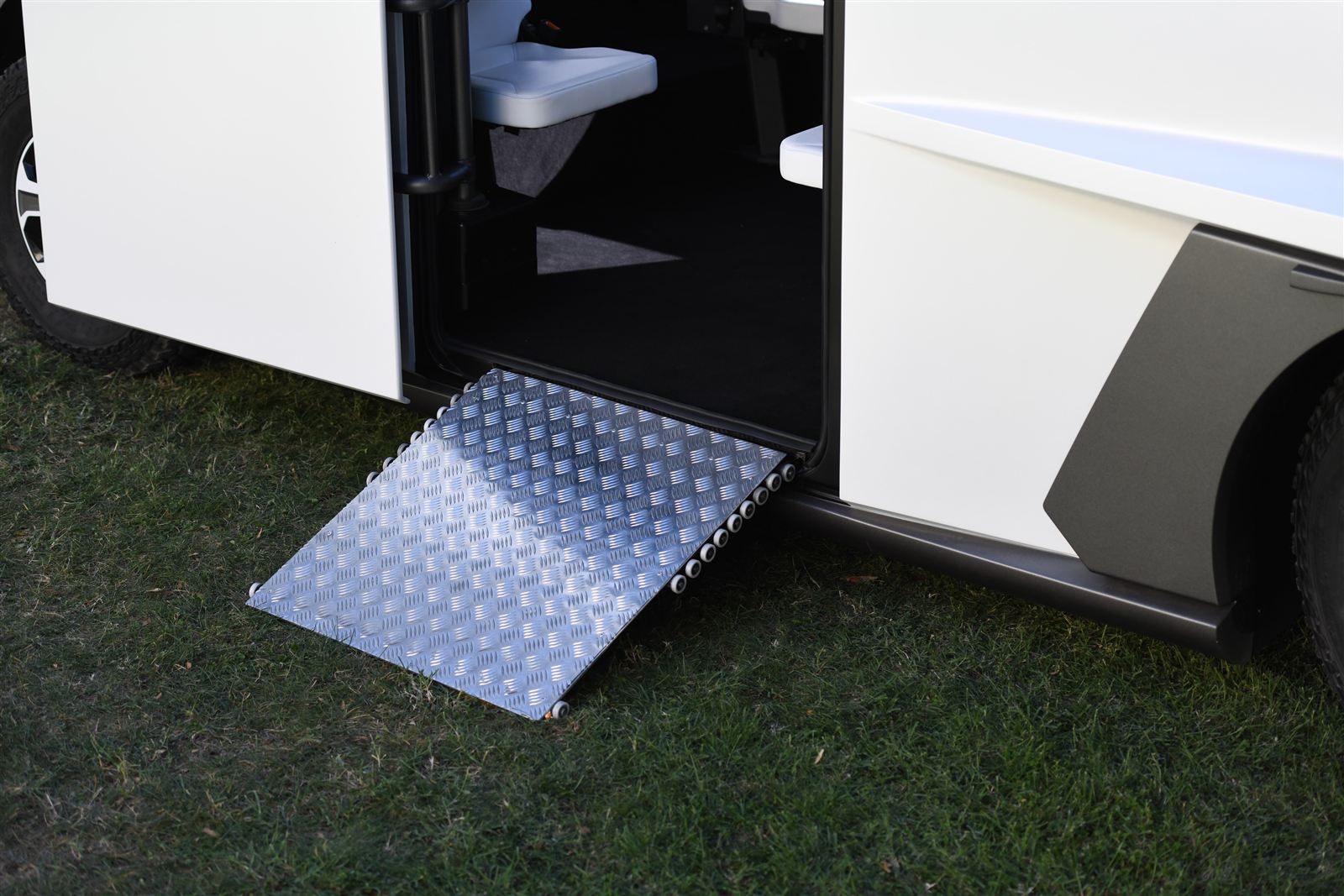
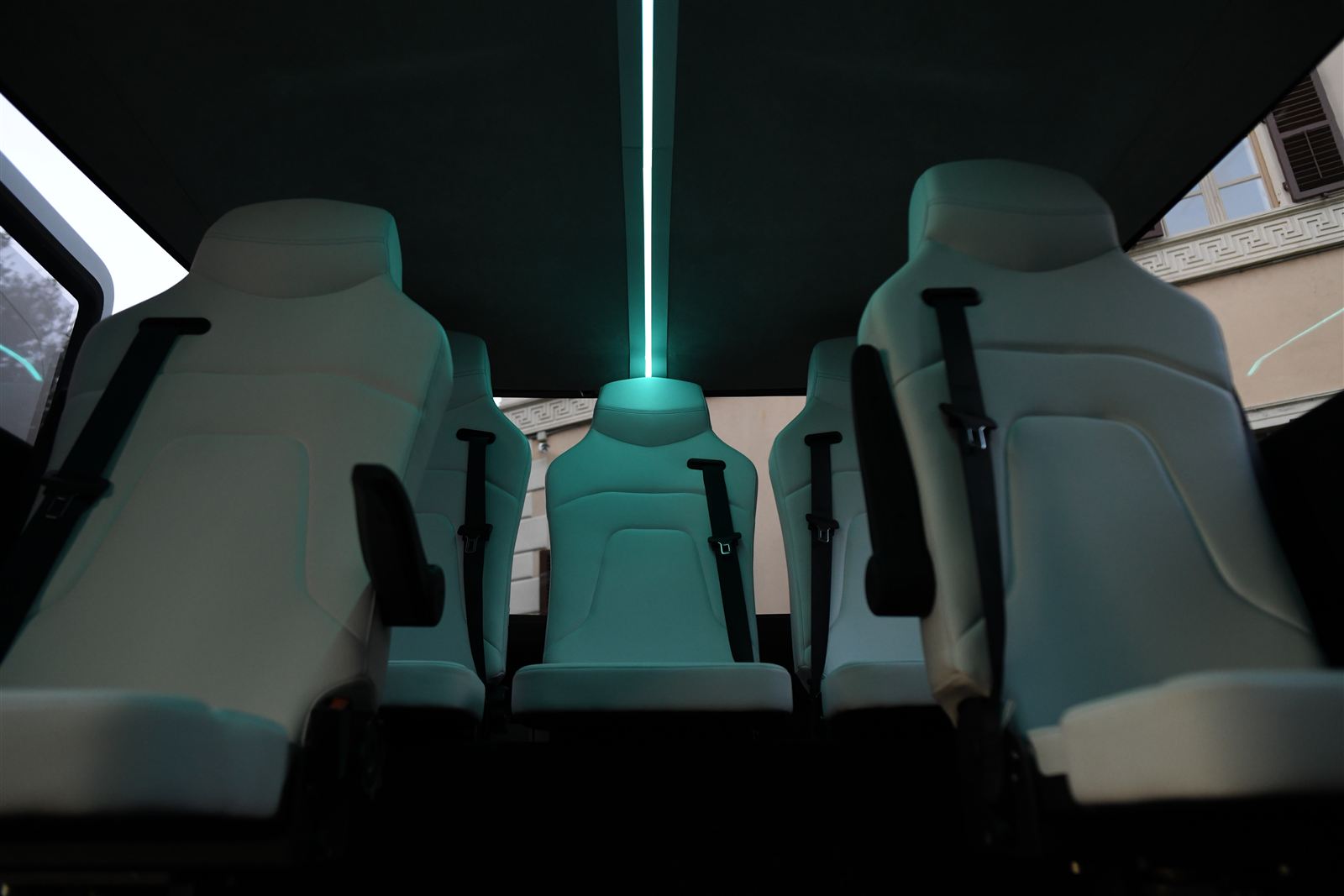
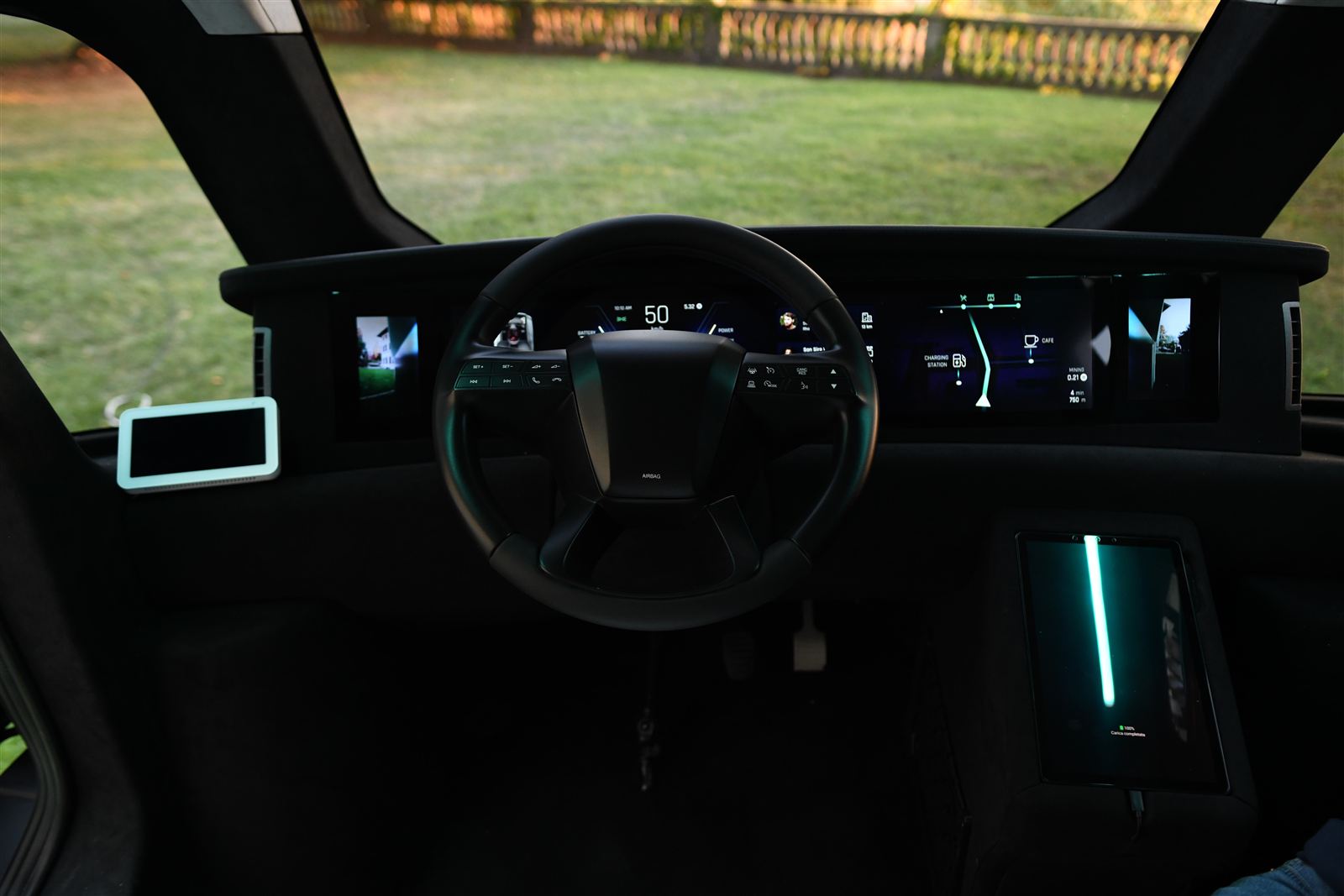
For two years the prototype travelled across 31 European countries, the United Kingdom included, by road and on its own transporter. It stood at airports and taxi ranks, in city squares and at ministries, so that drivers, operators, mayors and officials could see it, sit in it and tell us what they needed.
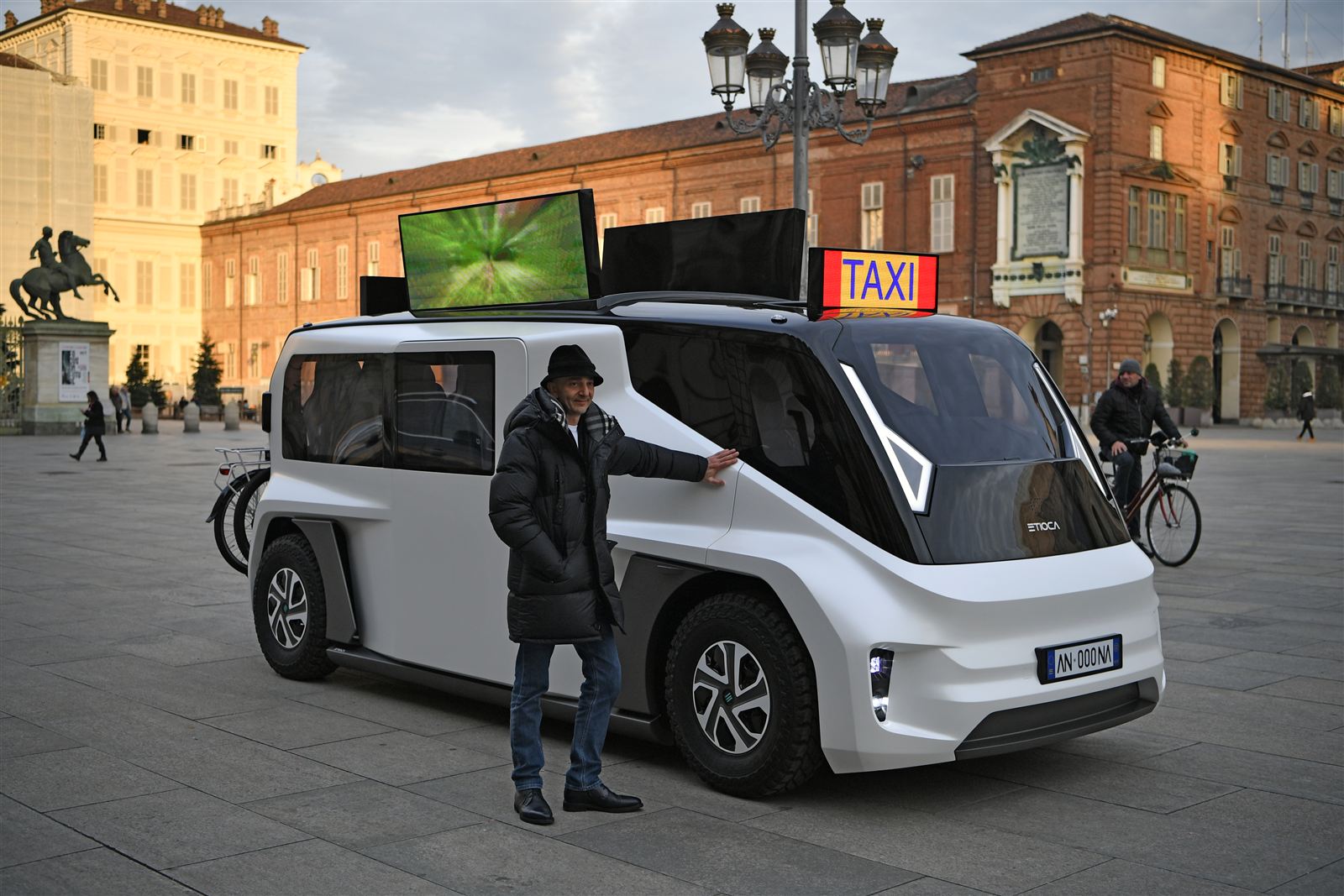
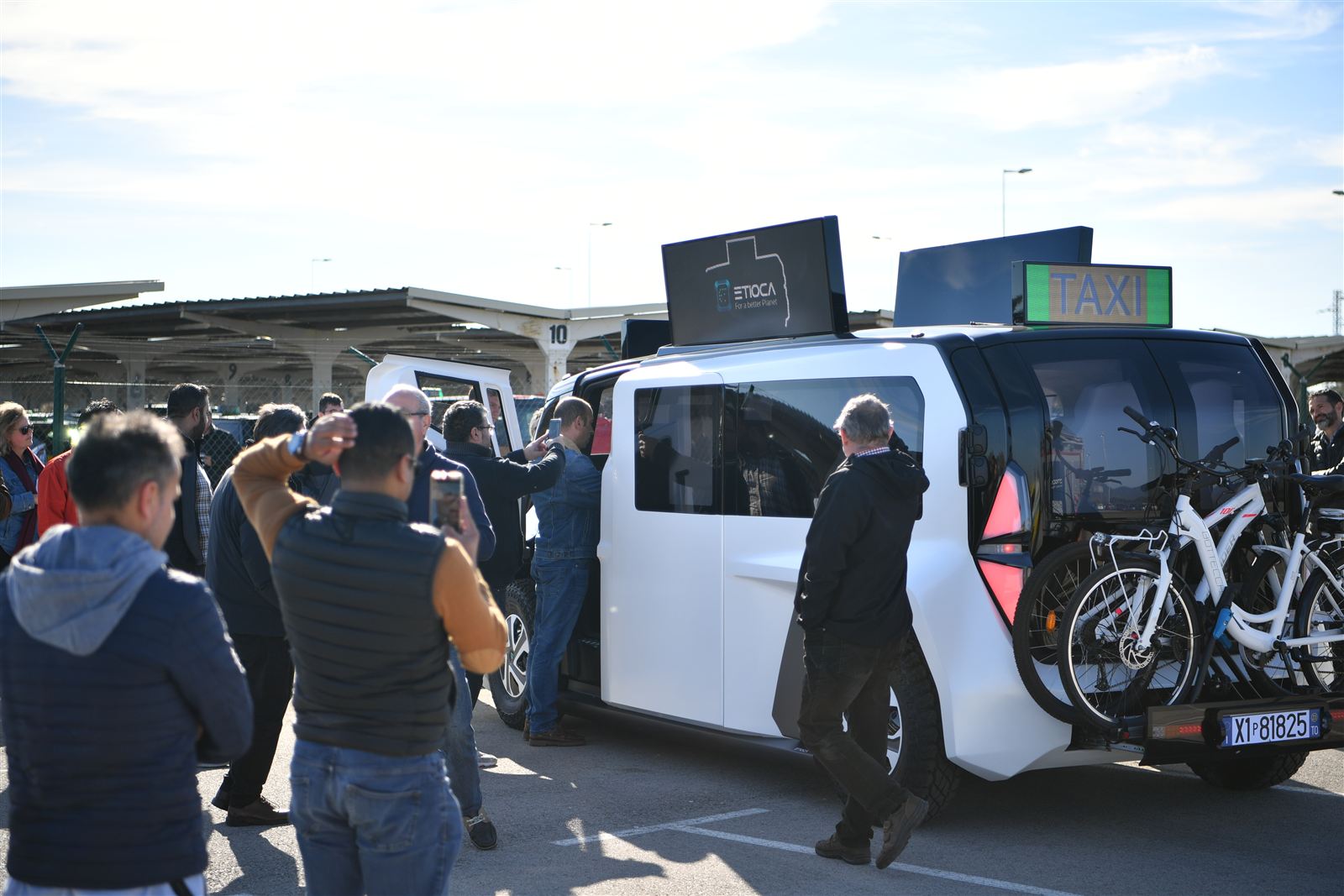
Taxi drivers inspect the prototype at Barcelona airport.
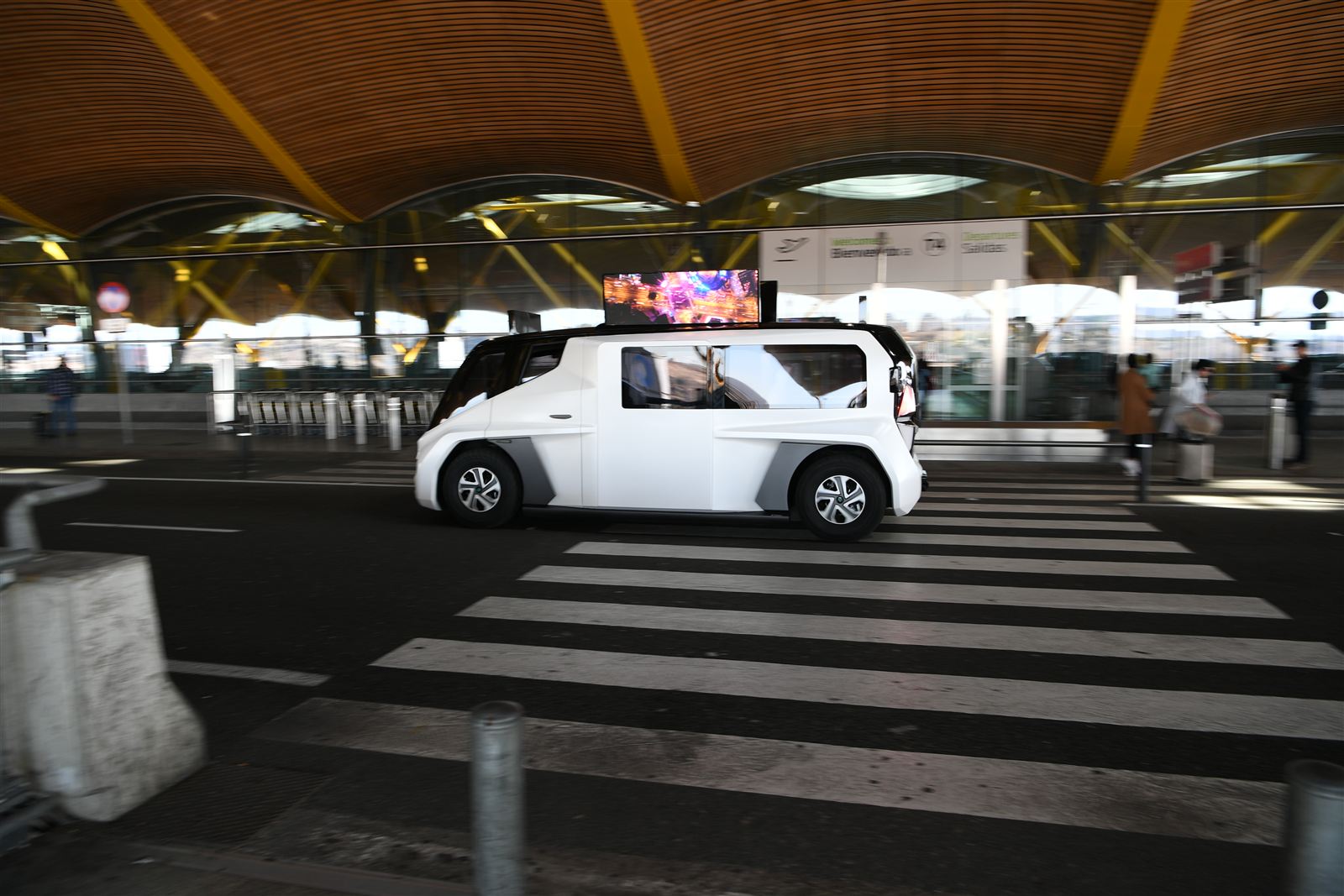
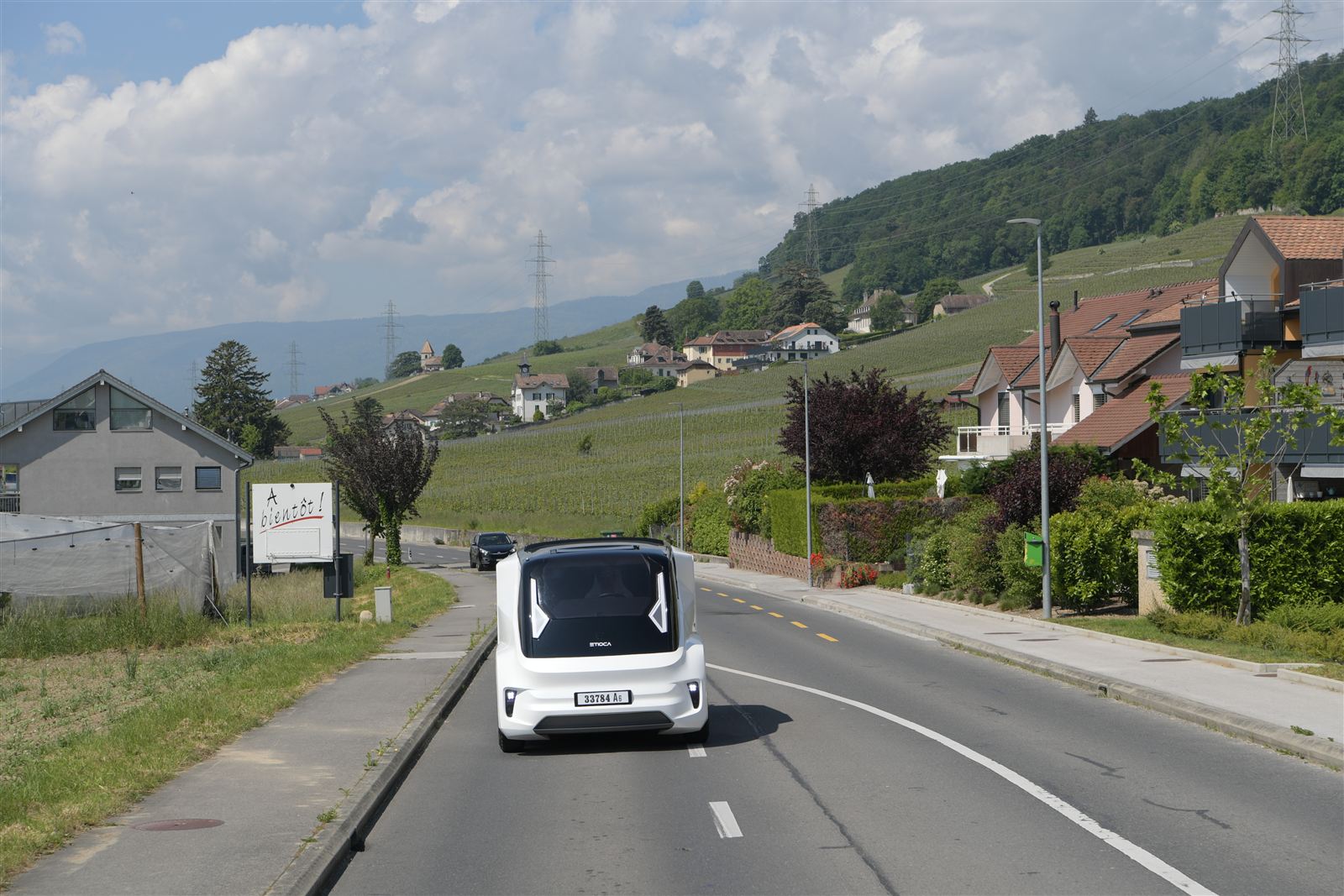
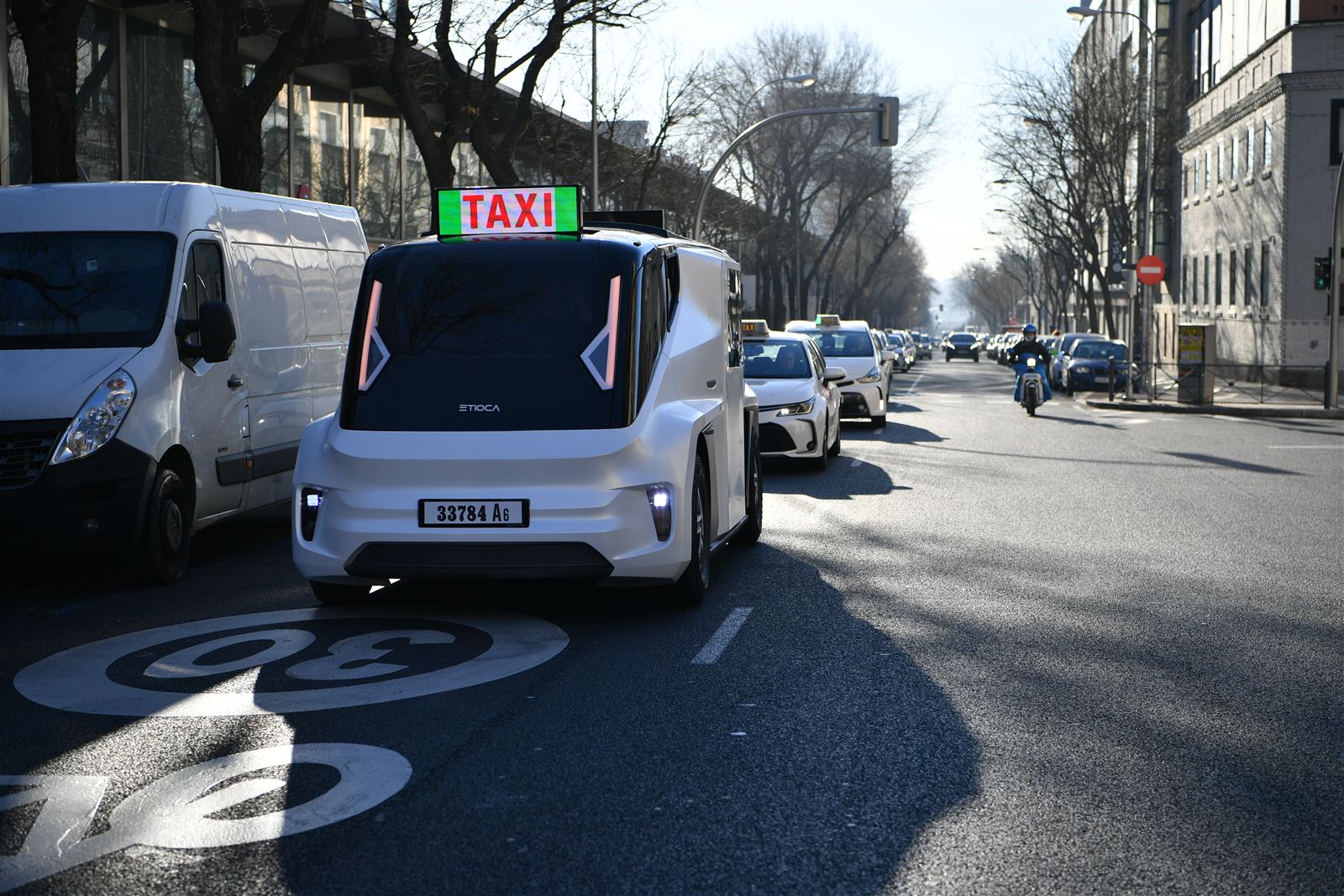

Meetings with governments continued beyond Europe, in Morocco and the United Arab Emirates.
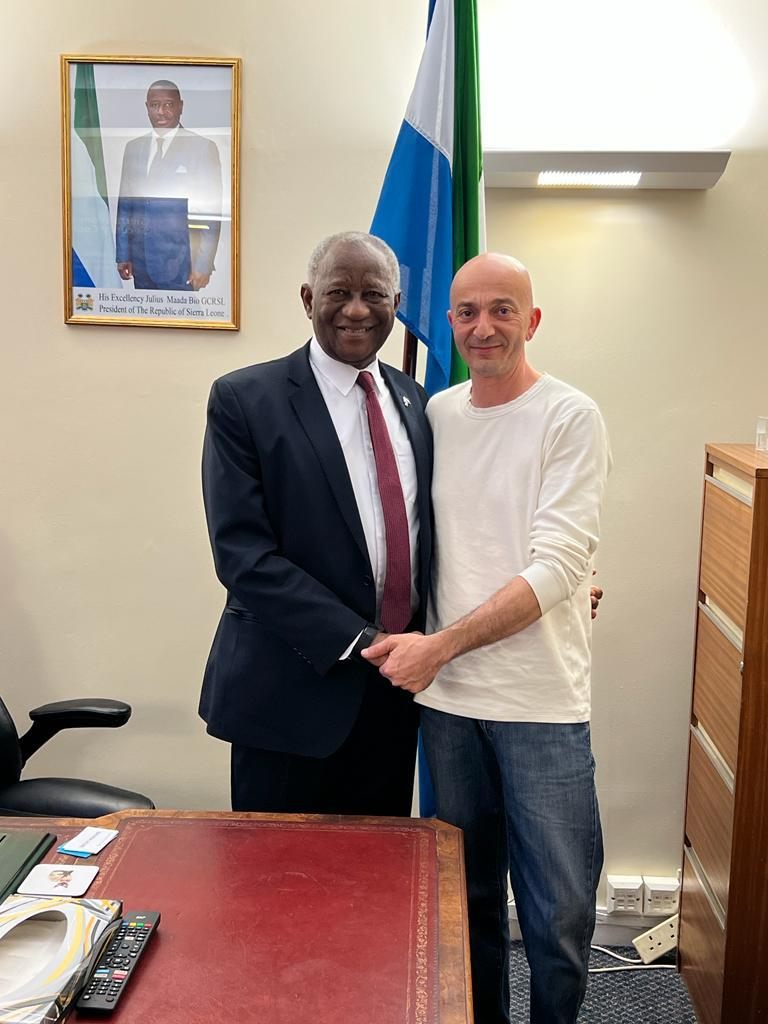
From March 2025 ETIOCA has been negotiating with a leading global car maker for series production of the vehicle. At the same time the group set up its regional operating companies and the licence chain that connects them.
The plan is to put the first fleets on the road in 2028, in the United Kingdom and in continental Europe, beginning with Benelux and the Baltic states, and to incorporate the ETIOCA Foundation before launch. These are plans, not guarantees, and depend on financing, production and licensing.